4/21/2020
Audit Insights: How Does a Factory Audit Go?
Identifying the right factory determines the future of your products, because the capabilities and capacity of your manufacturer have to align with your needs and expectations.

Process 1. Glass Bulb Forming
Key Processes:
Heated glass is blown or pressed into bulb shapes, ensuring high transparency and uniform thickness.
Main Equipment:
Glass Furnace, Blowing Machine, Press Molding Machine
Common Issues:
Glass bubbles, uneven wall thickness, surface scratches, devitrification (glass crystallization), bulb shape deviation, poor transparency, edge cracks, internal impurities.
Process 2. Filament Production
Key Processes:
Tungsten wire is coiled into a filament and annealed to ensure uniform resistance and heat endurance.
Main Equipment:
Coiling Machine, Annealing Furnace
Common Issues:
Filament coil deformation, uneven coil pitch, tungsten wire breakage, insufficient annealing, filament oxidation, inconsistent wire diameter, coil loose ends, and resistance value deviation.
Process 3. Filament Assembly
Key Processes:
Filaments are welded and fixed to supports and electrodes to form the lamp core assembly.
Main Equipment:
Spot Welder, Assembly Fixture
Common Issues:
Welding spot detachment, weak welding joint, filament misalignment, electrode deformation, support breakage, welding splash residue, filament damage during welding, poor fixture positioning.
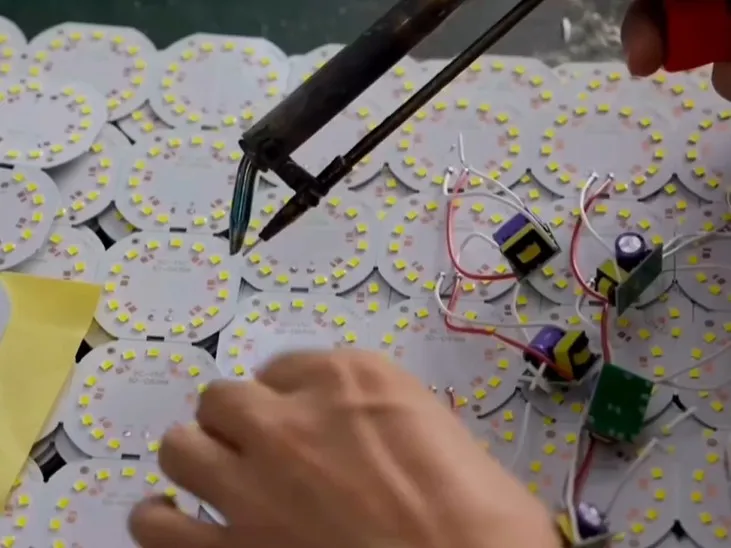
Process 4. Bulb Sealing
Key Processes:
Lamp cores are inserted into glass bulbs, sealed by flame, and evacuated or filled with inert gas.
Main Equipment:
Flame Sealing Machine, Vacuum Pump, Gas Filling Machine
Common Issues:
Sealing leakage, incomplete vacuuming, insufficient inert gas filling, uneven sealing edge, glass cracking at seal, lamp core offset in bulb, gas purity non-compliance, flame burn marks on bulb.
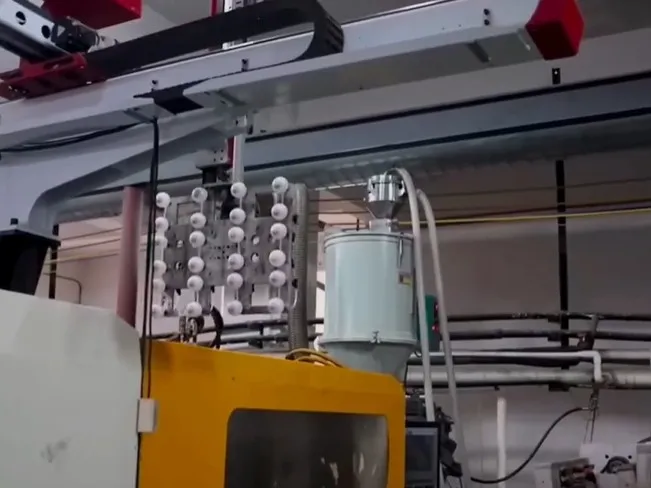
Process 5. Base Assembly
Key Processes:
The metal base is fixed to the bulb and sealed with conductive adhesive to ensure good contact.
Main Equipment:
Assembly Machine, Pressing Machine
Common Issues:
Base misalignment, weak base bonding, conductive adhesive overflow, poor adhesive curing, base deformation, bulb-base gap, adhesive delamination, and base looseness.
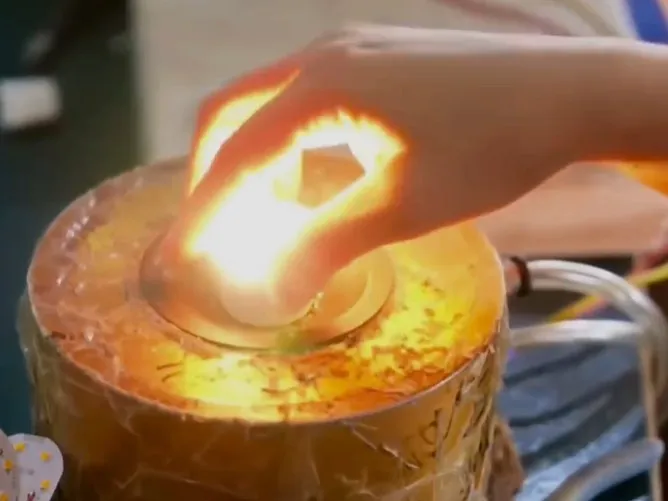
Process 6. Base Welding
Key Processes:
The lead wires are welded to the electrodes to ensure stable electrical connection.
Main Equipment:
Automatic Welding Machine, Testing Fixture
Common Issues:
Welding open circuit, cold solder joint, lead wire breakage, electrode damage during welding, welding spot oxidation, lead wire miswelding, excessive welding flux residue, unstable electrical contact.
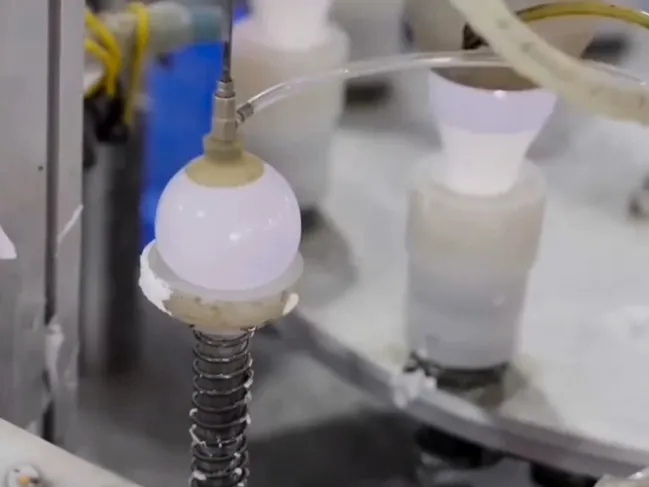
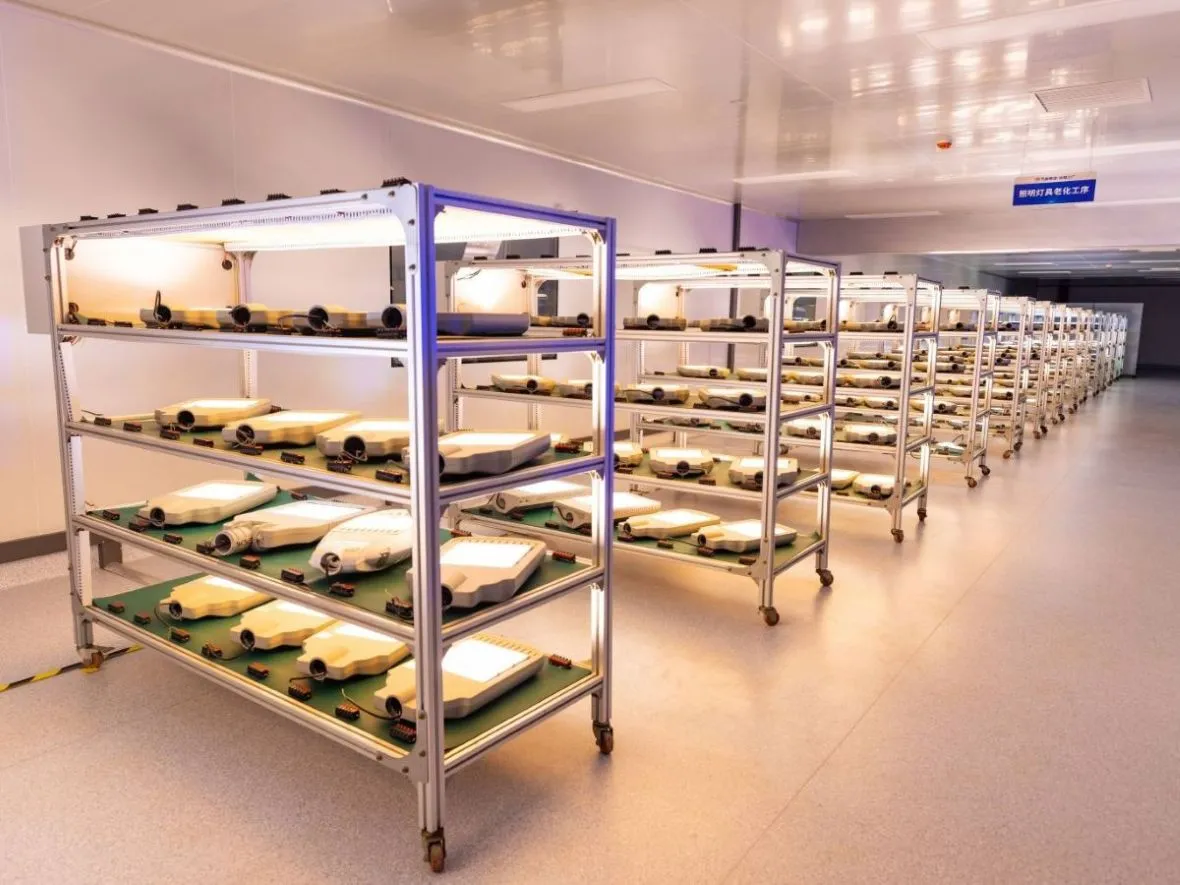
Process 7. Aging Test
Key Processes:
Bulbs are powered for aging to identify early failures and stabilize performance.
Main Equipment:
Aging Rack, Power Tester
Common Issues:
Early filament burnout, bulb blackening (premature), power fluctuation during aging, bulb extinguishing midway, uneven aging effect, base overheating, test parameter deviation, and poor contact during aging.
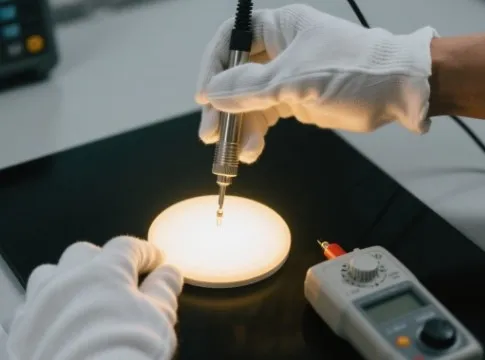
Process 8. Photometric & Electrical Testing
Key Processes:
Measures brightness, color temperature, power, and color rendering index of bulbs.
Main Equipment:
Integrating Sphere, Power Meter, Spectrometer
Common Issues:
Brightness non-compliance, color temperature deviation, power value out of range, low color rendering index, testing equipment calibration error, uneven light distribution, test data fluctuation, and spectral curve distortion.
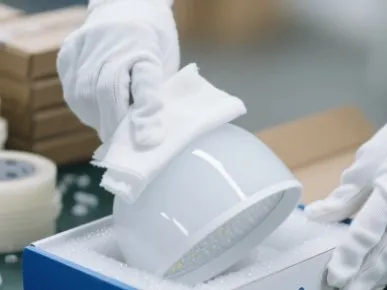
Process 9. Packaging & Final Inspection
Key Processes:
Final inspection for appearance, brightness uniformity, and leakage before packaging and labeling.
Main Equipment:
Vision Inspection System, Labeling Machine, Automatic Packaging Machine
Common Issues:
Appearance defects (scratches, stains), incorrect labeling (misprint, offset), packaging damage, leakage undetected, brightness uniformity non-compliance, missing packaging components, label adhesion failure, packaging misalignment.
Click to review the detailed production process and common quality issues for light bulbs.
We arrange laboratory testing to confirm adherence to international safety and performance standards:



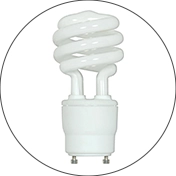
On-site inspections verify quality, functionality, and craftsmanship against your exact specifications.
Pre-audit manufacturing assessments validate production capability and quality management systems.
Certified lab tests confirm compliance with international safety, regulatory, and performance standards.
Cap Interchangeability Check
WIFI Function Check
We conduct supplier audits to verify production capabilities and compliance before order placement.
Quick verification of supplier legitimacy through:
A comprehensive evaluation covering:
V-Trust offers a comprehensive quality control solution that spans the entire production cycle, including Sample Checks, Production Monitoring, During Production Inspection, Pre-Shipment Inspection, and Container Loading Supervision to ensure your Light Bulbs consistently meet performance, safety, and aesthetic standards, minimizing risks and protecting your brand's reputation.
Our engineers meticulously evaluate light bulb samples for critical performance aspects such as lumen output, color rendering index (CRI), color temperature (CCT), and power consumption. We also conduct initial visual inspections for cosmetic defects and verify compliance with declared specifications, ensuring the sample sets the correct quality benchmark for mass production.
During light bulb production, our on-site inspectors provide real-time oversight, tracking key manufacturing processes like component assembly, soldering quality, and initial functional testing. This proactive monitoring helps identify and address potential issues such as incorrect component placement or early flickering, preventing widespread defects and maintaining consistent quality throughout the production run.
Conducted when at least 10% of the light bulb order is completed, this inspection focuses on identifying early-stage defects like inconsistent light output, incorrect color temperature, or visible internal flaws. It allows for timely corrective actions, reducing rework costs and ensuring that the bulk production aligns with approved samples and quality standards.
Before shipment, a thorough final inspection of your Light Bulbs is performed. This includes comprehensive checks on electrical safety, lumen output, CCT, CRI, dimming compatibility, and lifespan testing. We also verify cosmetic appearance, packaging integrity, labeling accuracy, and quantity, ensuring the products are ready for market and meet all contractual obligations.
Our team supervises the container loading process for Light Bulbs, ensuring proper handling, secure packing, and optimal arrangement within the container. We verify that the correct quantity and types of bulbs are loaded, and that packaging is protected against damage during transit, minimizing the risk of breakage or loss upon arrival.
A comprehensive platform showcasing the latest advancements in lighting technology, including smart lighting, LED technology, components, and lighting applications across various sectors.
https://guangzhou-international-lighting-exhibition.hk.messefrankfurt.com/guangzhou/en.html
This fair covers a wide spectrum of lighting products, including commercial lighting, decorative lighting, smart lighting, outdoor lighting, and lighting accessories.
https://www.hktdc.com/event/hklightingfairse/en
Asia's leading product inspection company with full-time, professionally trained inspectors and comprehensive accreditation for inspection, audit, and lab testing services.
Why do I need product inspections for light bulbs?
If you are worried about or have experienced problems such as poor quality, incorrect shipments, or wrong packaging for goods imported from Asia, product inspection services are your solution. V-Trust product inspection service can help you have an accurate understanding of the quality of the goods without going to the factory yourself.
Do I need to send you an approved sample for light bulbs?
It would be great if you could send the approved sample to V-Trust before the inspection for reference. Compared with product photos or specification documents, a real product sample allows V-Trust engineers to do a more thorough comparison check.
How many days in advance should I book the inspection?
Though sometimes it's possible to book next-day inspections for many manufacturing clusters where V-Trust has a large team of full-time inspectors, we recommend booking with us at least three days in advance. Early booking is important for appropriate scheduling and good preparation before the inspection.
Who will I be in contact with throughout the whole process?
There will be one dedicated account manager who will be assigned as your main contact point at V-Trust. You will receive prompt responses whenever you have any questions regarding the inspection arrangement.
How long does it take to know the inspection result?
The official report, reviewed and signed by an authorized V-Trust technical manager, will be available within 24 hours after each inspection. A same-day report is available if you would like to know about the inspection findings on the same day. V-Trust has the highest same-day report rate in the inspection industry.
What if I have questions after I check my V-Trust report?
Please don’t hesitate to contact us whenever you have any questions. V-Trust team is always available even after the inspection is completed.
Ready to ensure the quality of your products? Contact our team to discuss your specific requirements.