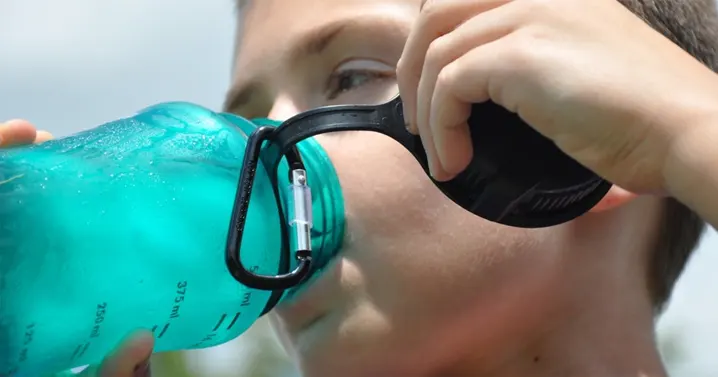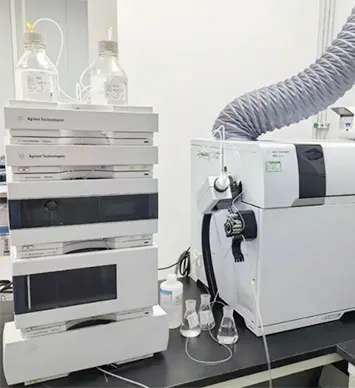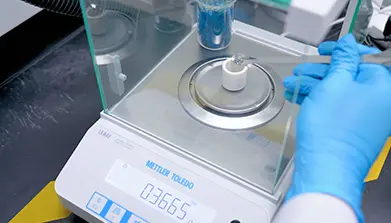


2026 has brought major changes to BPA regulations worldwide. Here's a quick summary to keep products compliant.
Under Regulation (EU) 2024/3190 (corrected Feb 2026), BPA is banned in most food contact materials – plastics, coatings, inks, adhesives, silicones, and rubber.
- Single use articles: off the market by 20 July 2026
- Repeat use articles (first placed before 20 July 2026): remain until 20 July 2027
- Fruit/veg/fishery packaging: until 20 Jan 2028
Detection limit for exempted uses: 1 µg/kg. BPS, BPF, BPAF, TBBPA are also restricted.
Standard GB 4806.10-2025 (effective 2 Sep 2026) cuts BPA specific migration limit from 0.6 to 0.05 mg/kg. Paper coatings (cups, wraps) are now included.
From 1 June 2026, all plastic food contact materials must comply with the Positive List. Polycarbonate resins have specific BPA limits, and overall migration testing (<0.1 mg/cm²) is required for materials without individual specs.
- FDA continues to permit BPA in polycarbonate and epoxy coatings, but infant formula packaging cannot use BPA epoxy. A 2026 request seeks to ban BPA polycarbonate in baby bottles/sippy cups.
- California Prop 65: In Feb 2026 alone, 20 violation notices were issued for BPA/BPS in thermal paper, labels, and food packaging.