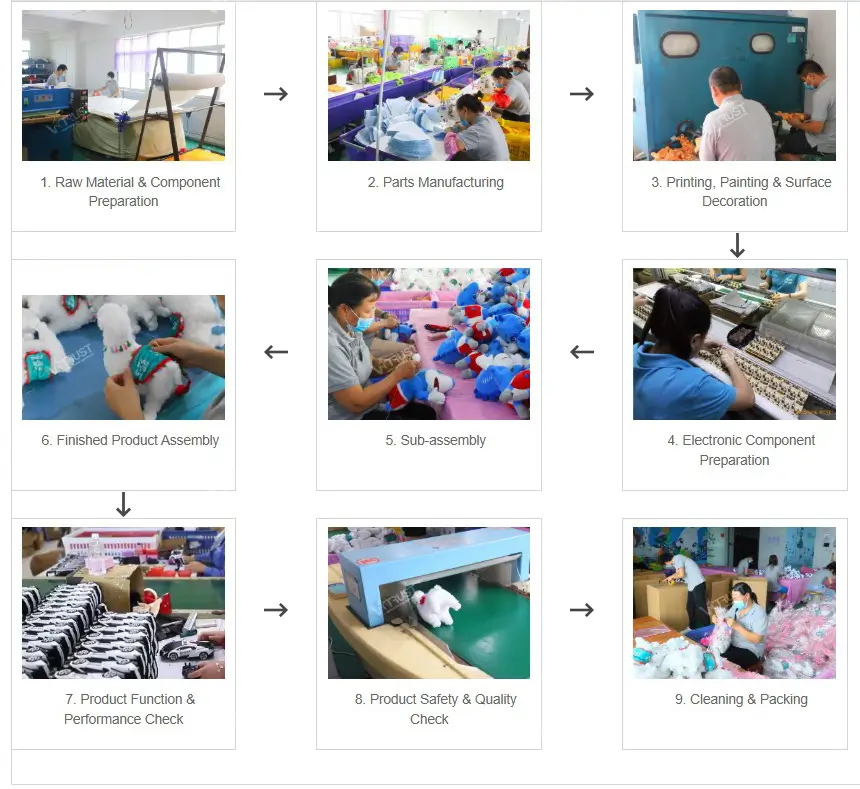
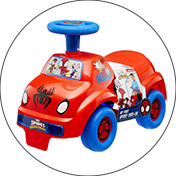
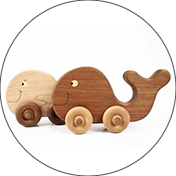
1. Production Process and Main Equipment for Toys
Process 1. Raw Material & Component Preparation
Key Processes:
Preparation and inspection of plastics, fabrics, wood, metal parts, electronic components, paints, inks, and accessories.
Main Equipment:
Material Handling Equipment, Cutting Machines, Weighing Equipment, Inspection Tools.
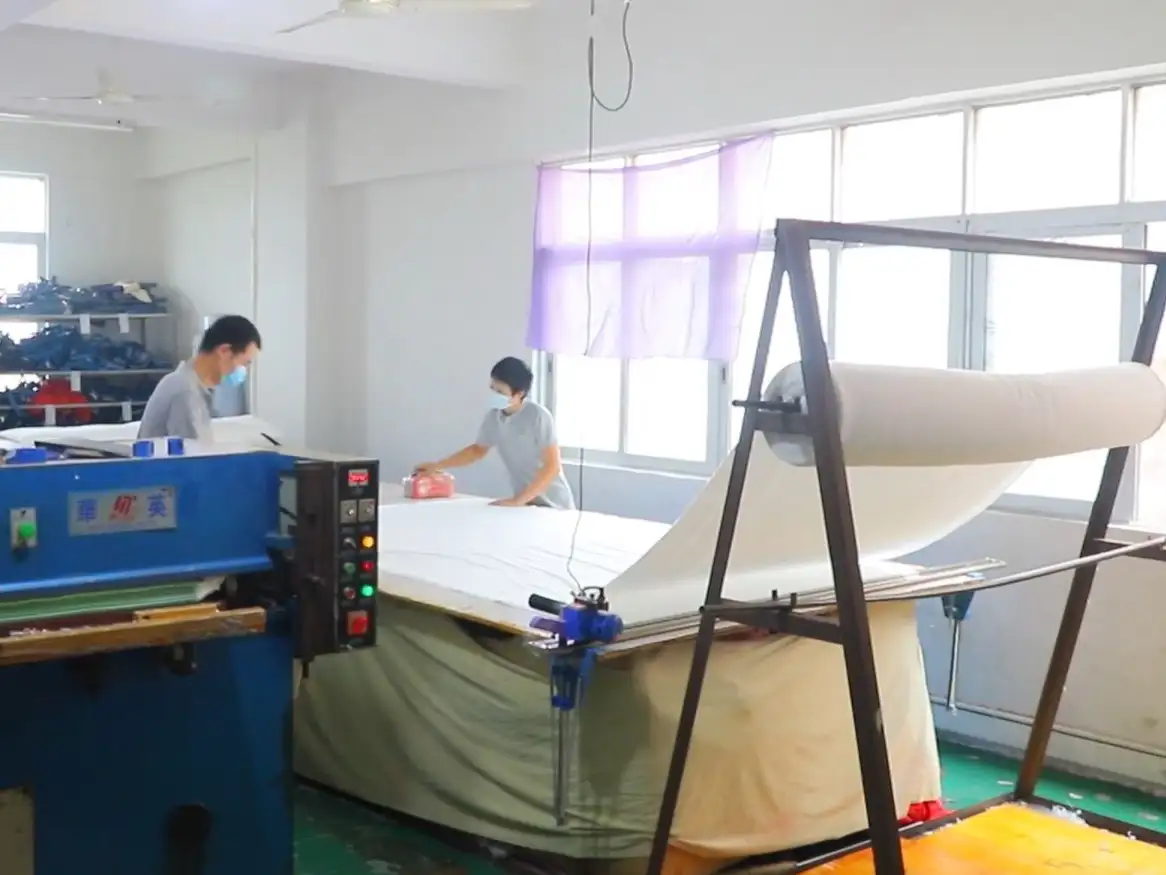
Process 2. Parts Manufacturing
Key Processes:
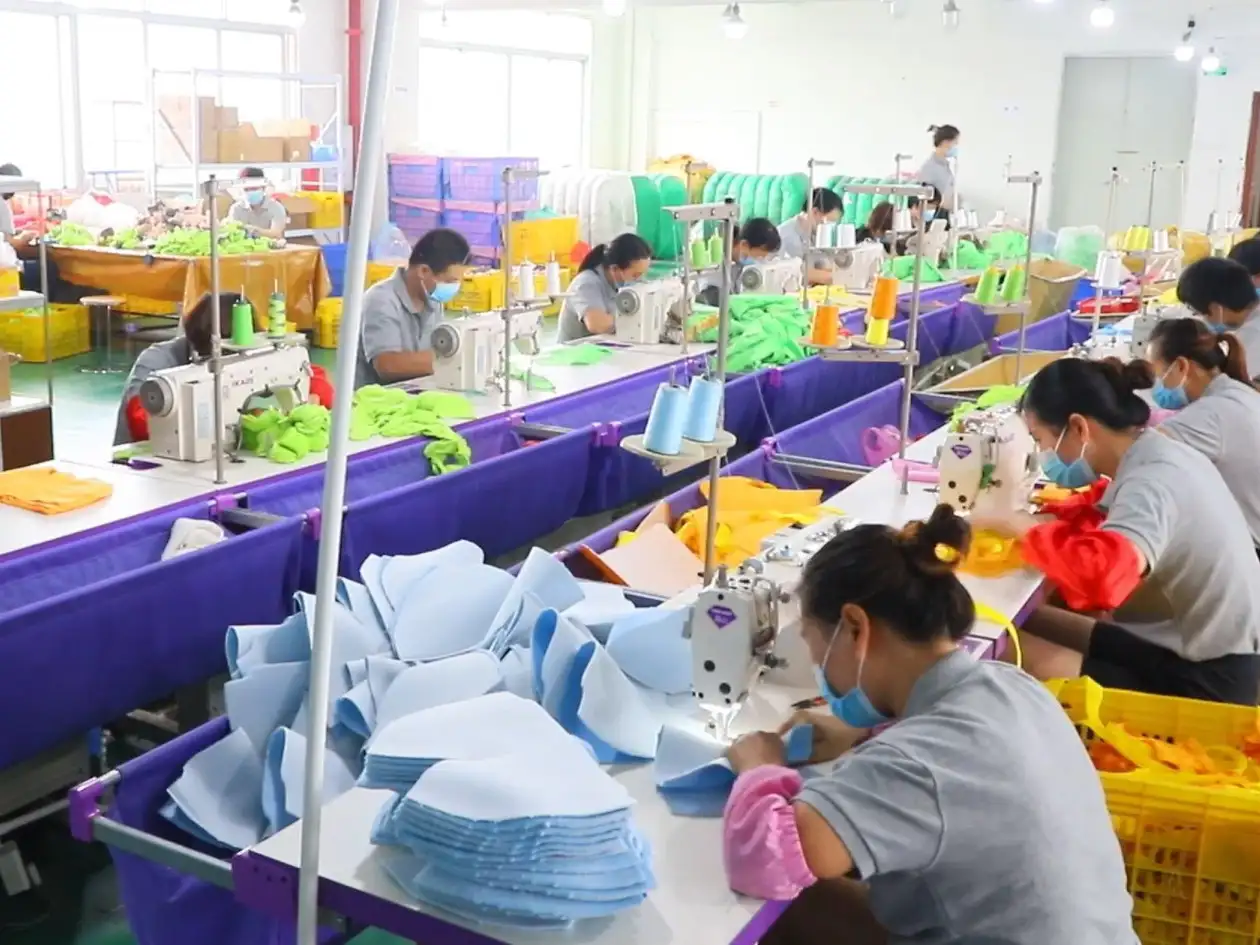
Injection molding, cutting, stamping, sewing, woodworking, forming, and machining according to the toy type.
Main Equipment:
Injection Molding Machines, Cutting Machines, Stamping Machines, Sewing Machines, Woodworking Equipment.
Process 3. Printing, Painting & Surface Decoration
Key Processes:
Spray painting, pad printing, screen printing, heat transfer printing, coating, and decorative application.
Main Equipment:
Spray Booths, Pad Printing Machines, Screen Printing Machines, Heat Transfer Machines.
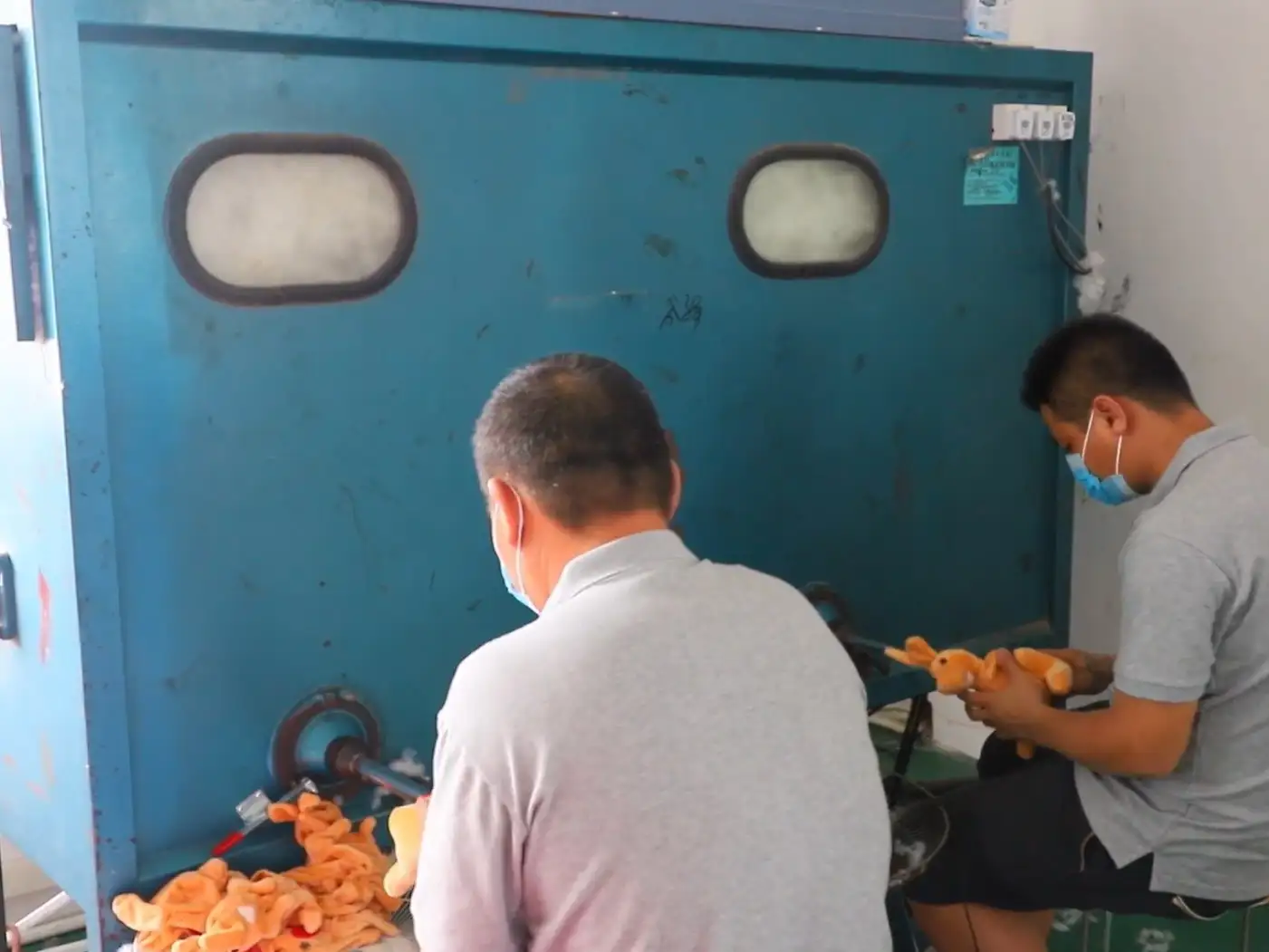
Process 4. Electronic / Mechanical Component Preparation
Key Processes:
Preparation and assembly of motors, gears, switches, speakers, LED modules, PCBs, battery compartments, and mechanical components, where applicable.
Main Equipment:
Soldering Equipment, Winding Machines, Press-Fitting Machines, Assembly Fixtures.
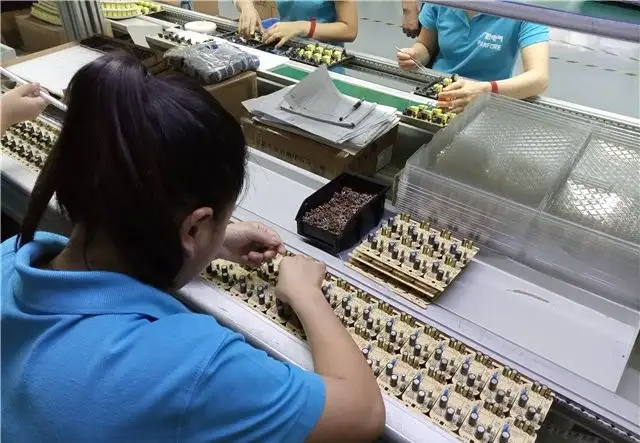
Process 5. Sub-assembly
Key Processes:
Assembly of internal mechanisms, electronic modules, moving parts, stuffed components, and other sub-assemblies according to the toy type.
Main Equipment:
Electric Screwdrivers, Sewing Machines, Soldering Irons, Press-Fitting Machines, Assembly Fixtures.
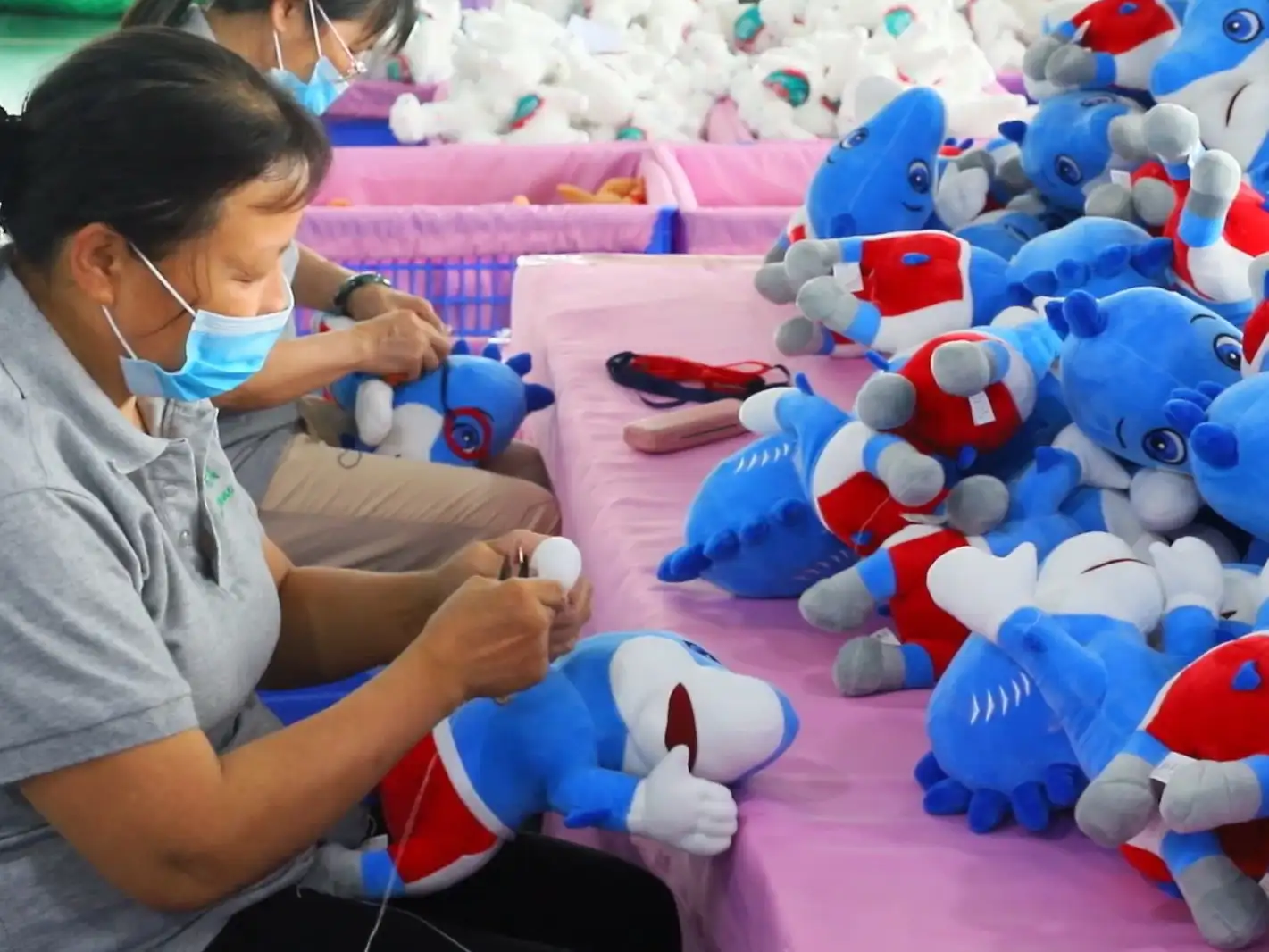
Process 6. Finished Product Assembly
Key Processes:
Final assembly, screw fastening, welding, stitching, gluing, wiring, and installation of decorative parts and accessories.
Main Equipment:
Assembly Lines, Electric Screwdrivers, Ultrasonic Welding Machines, Sewing Machines, Gluing Equipment.
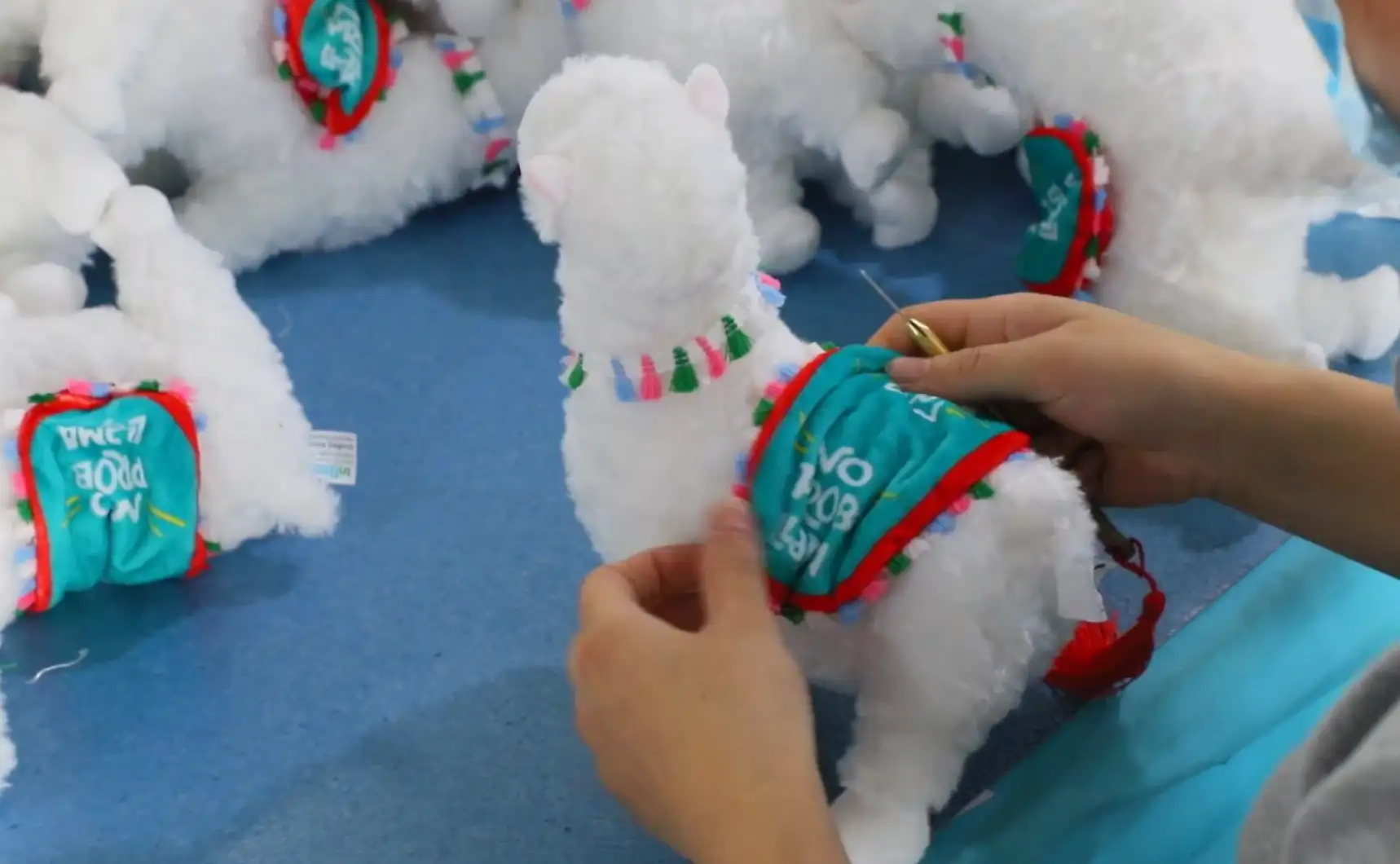
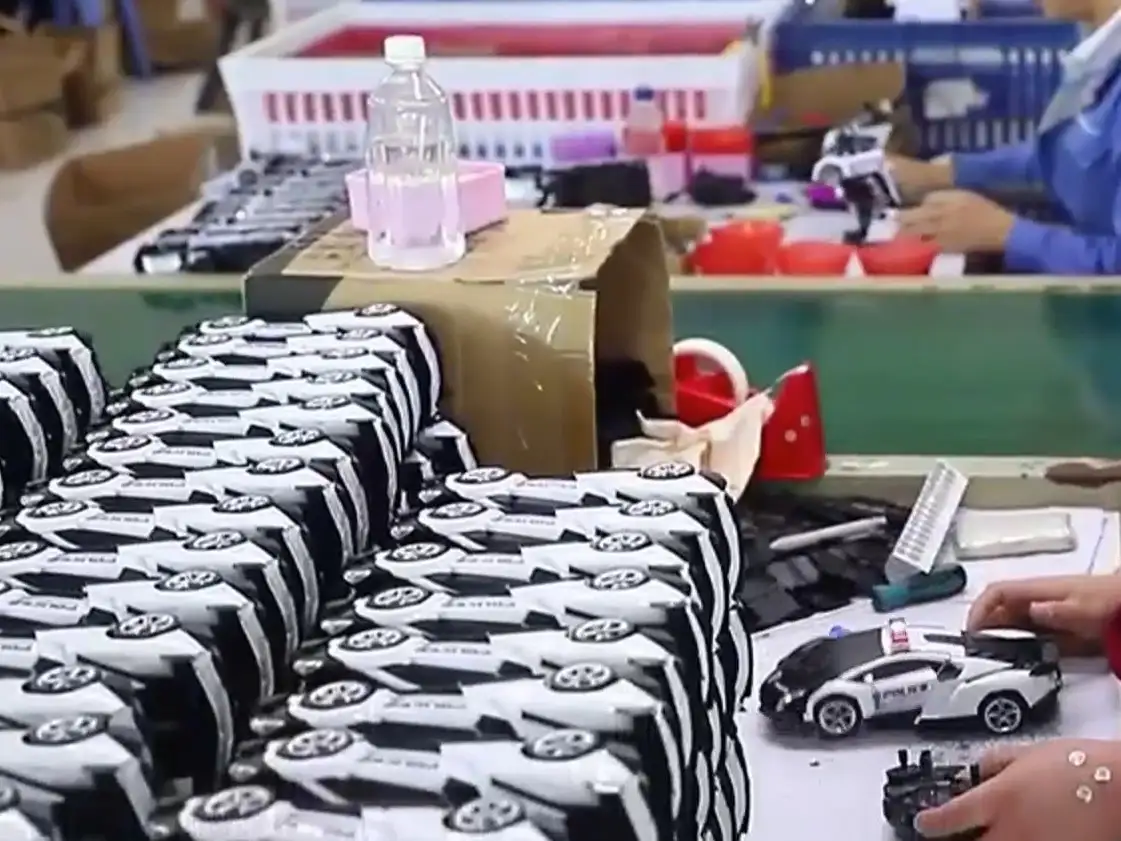
Process 7. Product Function & Performance Check
Key Processes:
Function check, movement check, sound and light check, operating control check, and performance verification according to the toy type.
Main Equipment:
Functional Test Fixtures, Power Supplies, Multimeters, Tachometers, Sound Level Meters.
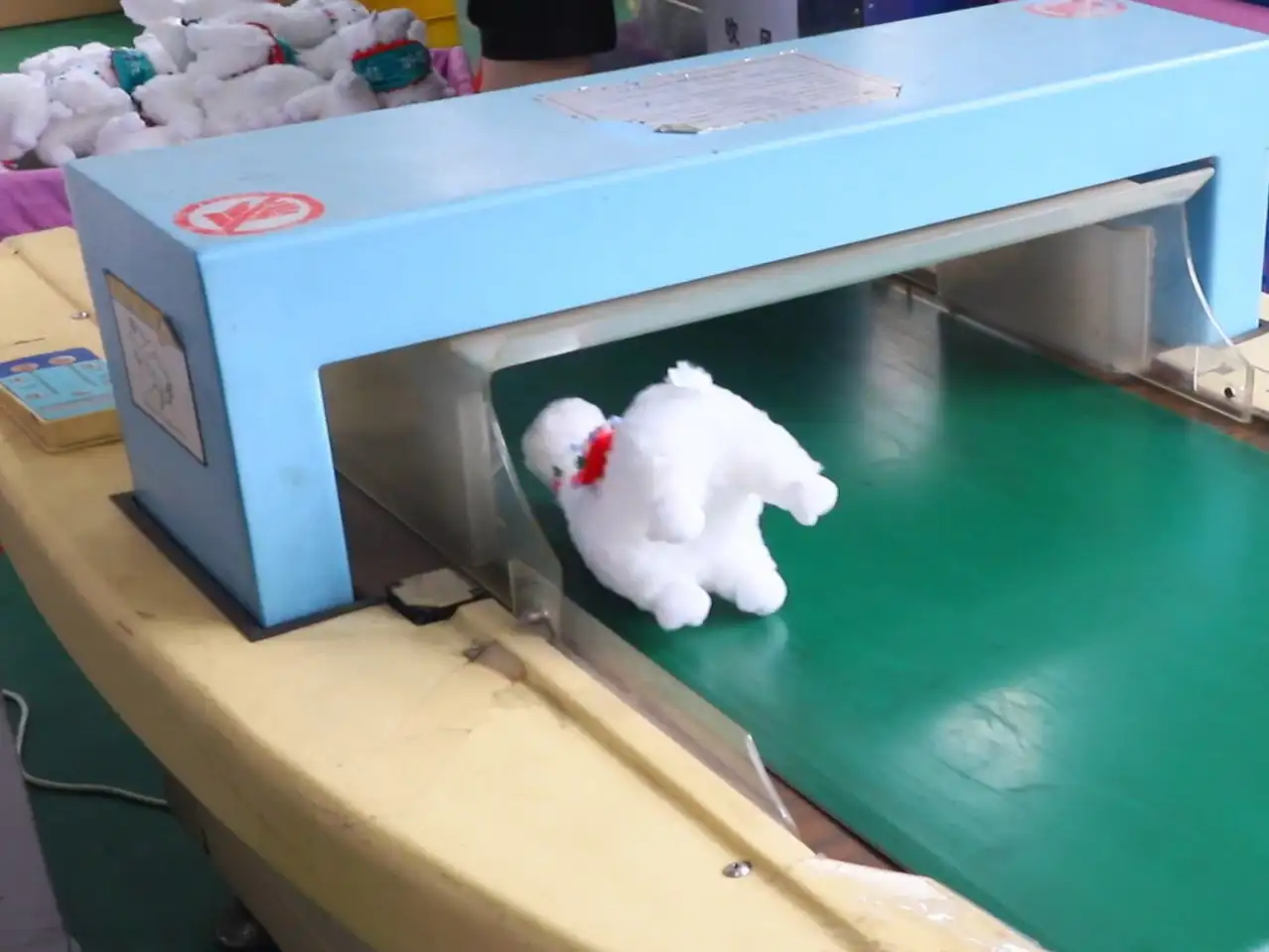
Process 8. Product Safety & Quality Check
Key Processes:
Visual inspection, small parts check, sharp point and sharp edge check, torque and tension test, seam strength check, drop/impact test, and other applicable safety checks.
Main Equipment:
Small Parts Cylinder, Sharp Point Tester, Sharp Edge Tester, Force Gauge, Torque Tester, Impact/Drop Test Equipment.
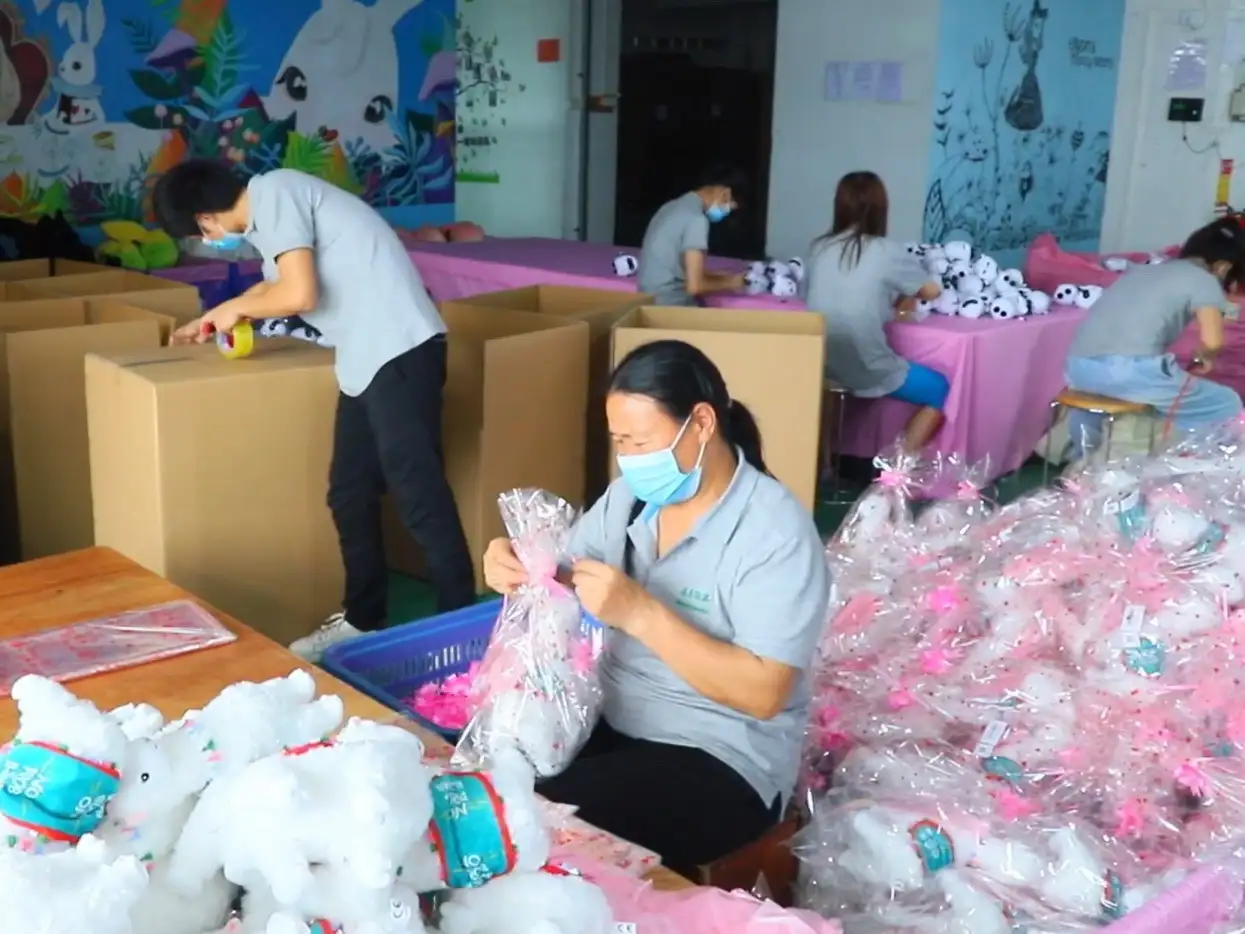
Process 9. Cleaning & Packing
Key Processes:
Product cleaning, final appearance inspection, labeling, instruction manual and accessory placement, retail packaging, and carton packing.
Main Equipment:
Cleaning Equipment, Visual Inspection Stations, Labeling Machines, Sealing Machines, Carton Sealing Machines.
Click to review the detailed production process and main equipment for toys.
2. On-Site Inspection Checkpoints for Toys
To help verify product quality, safety-related features, and conformity with approved specifications, on-site inspections for toys may cover the following key checkpoints:
- Appearance & Workmanship Inspection
- Product Model, Age Grading & Marking Inspection
- Dimensions, Weight, Color & Specification Verification
- Material, Component & Accessories Verification
- Assembly & Construction Inspection
- Small Parts & Choking Hazard Inspection
- Sharp Edge, Sharp Point & Burr Inspection
- Accessible Hole, Gap & Finger Entrapment Inspection
- Torque, Tension & Pull Strength Test
- Drop, Impact & Compression Resistance Test
- Seam, Stitching & Attached Component Strength Inspection
- Cord, Strap & Loop Safety Inspection
- Folding, Hinge, Wheel, Axle & Moving Parts Inspection
- Product Stability & Structural Strength Inspection
- Function & Intended Use Inspection
- Repeated Operation & Durability Inspection
- Sound Function & Noise Level Inspection (if applicable)
- Projectile Function & Safety Inspection (if applicable)
- Battery Compartment, Installation & Polarity Inspection (if applicable)
- Switch, Light, Motor & Charging Function Inspection (if applicable)
- Abnormal Heat, Smoke & Odor Inspection (if applicable)
- Instruction Manual, Warning Label & Packaging Inspection
- Laboratory Tests Required / Applicable as Needed *
- Mechanical & Physical Safety Testing**
- Flammability Testing**
- Migration of Certain Elements / Heavy Metals Testing**
- Phthalates & Restricted Chemical Substances Testing**
- Paint & Surface Coating Chemical Testing**
- Electrical Safety Testing for Electric Toys**
- Battery Safety Testing**
- Acoustic / Sound Pressure Level Testing**
- Magnet Safety Testing (if applicable)**
- Projectile Safety Testing (if applicable)**
- Cord / Loop / Strangulation Hazard Testing (if applicable)**
- Packaging Transportation Simulation Test (if applicable)**
* Applicable inspection and laboratory test items depend on the toy type, intended age group, product construction, function, destination market, customer specifications, and applicable requirements.
** Laboratory testing should be conducted according to the applicable product safety standards, regulatory requirements, and approved test methods.
3. Ensuring Toy Safety & Compliance with Laboratory Testing
To help ensure that toys meet applicable mechanical, physical, flammability, chemical, electrical, and labeling requirements, the following regulations and standards should be considered according to the toy type, intended age group, product configuration, and destination market:
European Union & United Kingdom
- Directive 2009/48/EC – Toy Safety Directive
- Regulation (EU) 2025/2509 – Toy Safety Regulation
- EN 71 Series – Safety of Toys
- EN IEC 62115 – Electric Toys – Safety
- Regulation (EC) No 1907/2006 – REACH
- Directive 2011/65/EU + (EU) 2015/863 – RoHS
- Toys (Safety) Regulations 2011 – Great Britain
United States & Canada
- Consumer Product Safety Improvement Act (CPSIA)
- 16 CFR Part 1250 – Safety Standard Mandating ASTM F963
- ASTM F963 – Standard Consumer Safety Specification for Toy Safety
- Canada Consumer Product Safety Act (CCPSA)
- Toys Regulations – SOR/2011-17
- Applicable requirements for lead, phthalates, small parts, surface coatings, labeling, and traceability
Australia & Asia-Pacific
- AS/NZS ISO 8124 Series – Safety of Toys
- AS/NZS 62115 – Electric Toys – Safety
- Australian Consumer Law – Mandatory Consumer Product Safety Standards
- Singapore Consumer Protection (Consumer Goods Safety Requirements) Regulations
- Japan ST Toy Safety Standard
- Applicable ISO, IEC, EN, ASTM, or national toy safety requirements
GCC, Middle East & Latin America
- GCC Technical Regulation on Children's Toys
- Applicable GSO Toy Safety Standards
- Gulf Conformity Marking (G-Mark) Requirements
- Brazil INMETRO Mandatory Toy Safety and Conformity Assessment Requirements
- Applicable national safety, certification, labeling, and chemical requirements
International Toy Safety Standards
- ISO 8124 Series – Safety of Toys
- IEC 62115 – Electric Toys – Safety
Applicable regulations and standards vary according to the toy type, intended age group, materials, functions, electrical or battery configuration, and destination market. Product-specific requirements should be confirmed before testing and market release.
4. Common Defects in Toy Inspections
Labeling, Warnings & Documentation Issues
- Incorrect or missing product name, model number, age grading, or identification information
- Incorrect or missing warning labels or safety statements
- Age grading is inconsistent between the product, packaging, and instruction manual
- Warning text is unclear, incomplete, poorly positioned, or not sufficiently visible
- Incorrect destination-market language used on packaging or instructions
- Product markings do not match the approved artwork or specification
- Manufacturer, importer, traceability, or batch information is missing where required
- Instruction manual is missing important assembly, operation, maintenance, or safety information
- Certification or conformity markings are missing, incorrect, or inconsistent with the approved documentation
Battery, Electrical & Electronic Issues
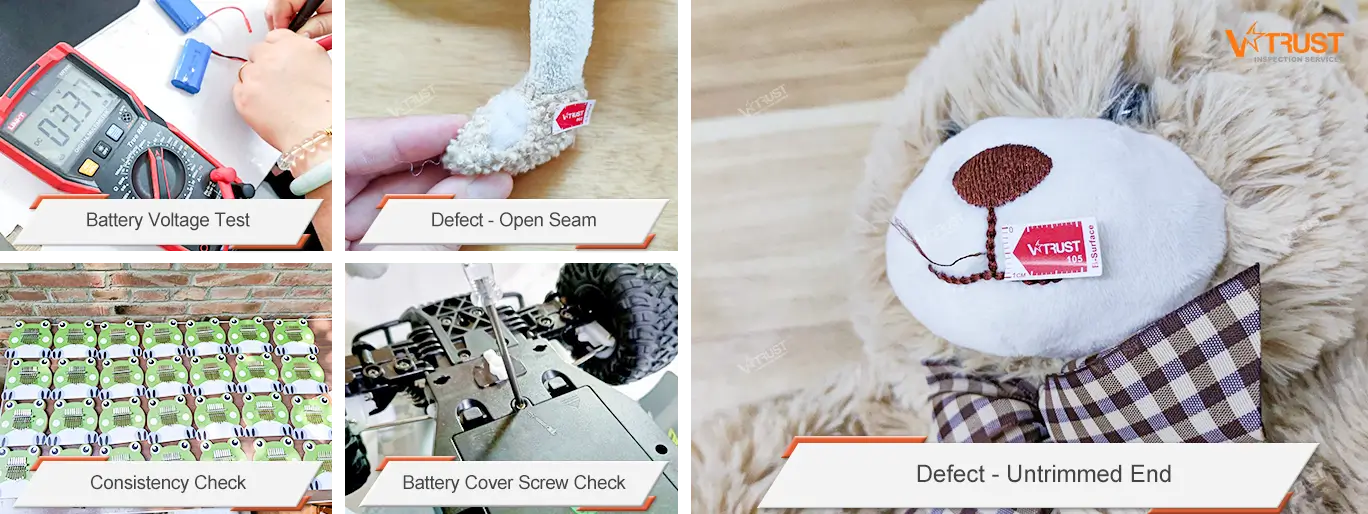
- Battery compartment cover is loose, damaged, or can be opened unintentionally
- Batteries can be installed incorrectly due to unclear or incorrect polarity markings
- Battery contacts are loose, corroded, deformed, or poorly connected
- Switches, lights, speakers, motors, sensors, or electronic functions malfunction
- Charging function or charging indicator operates incorrectly
- Product experiences abnormal heating during operation or charging
- Internal wires are loose, pinched, damaged, or improperly routed
- Abnormal smell, smoke, sparking, or intermittent power loss occurs
- Button or coin cell batteries become accessible without the intended securing method
Functional & Performance Issues
- Product cannot perform the intended play function correctly
- Buttons, switches, levers, knobs, gears, or mechanisms are difficult to operate or malfunction
- Moving or rotating parts are jammed, unstable, excessively loose, or operate intermittently
- Light, sound, movement, vibration, or interactive functions fail or perform inconsistently
- Remote-control functions have poor response, unstable connection, or limited operating range
- Product stops working during repeated operation or durability testing
- Excessive friction, abnormal resistance, or mechanical noise during operation
- Function, speed, movement, or performance differs noticeably between samples
Accessories & Packaging
- Missing toys, accessories, components, batteries, chargers, tools, or instruction manuals
- Incorrect quantity, color, size, model, or configuration of accessories
- Accessories do not fit or function correctly with the main product
- Product is not securely fixed or adequately protected inside the packaging
- Missing protective materials, resulting in scratches, deformation, or transportation damage
- Incorrect barcode, carton marking, shipping mark, or packaging artwork
- Inner box or export carton is crushed, damaged, weak, or poorly sealed
- Packaging dimensions, materials, or packing method do not match the approved specification
Mechanical & Structural Safety Issues
- Loose, missing, stripped, or improperly tightened screws and fasteners
- Housing, frame, wheel, axle, handle, joint, or other structural parts cracked or deformed
- Components become loose or detached during normal operation or basic durability testing
- Excessive gaps, openings, or moving-part clearances creating finger entrapment or pinch hazards
- Folding, hinge, sliding, or rotating mechanisms are loose, stuck, or operate abnormally
- Product instability, tipping, or insufficient structural strength
- Wheels, axles, joints, or moving parts become loose or damaged during use
- Springs, metal wires, fasteners, or internal mechanical parts become exposed
Appearance & Build Quality
- Scratches, dents, stains, deformation, flash, burrs, or poor surface finishing
- Color inconsistency, paint defects, uneven coating, or visible glue marks
- Poor molding quality, sink marks, weld lines, cracks, or sharp plastic edges
- Visible gaps, uneven assembly joints, or poorly fitted components
- Printed graphics, logos, stickers, or decorative parts misaligned or poorly adhered
- Product appearance, color, or configuration not matching the approved sample or specification
- Dirty product surfaces, foreign materials, oil stains, or contamination
- Incorrect, unclear, incomplete, faded, or easily removable markings
Chemical & Material Compliance Issues
- Material composition differs from the approved BOM or specification
- Paint, coating, plastic, textile, or metal materials are substituted without approval
- Strong or abnormal chemical odor is detected
- Surface coating peels, flakes, transfers, or wears off easily
- Material declarations or test reports do not correspond to the inspected product or component
- Restricted-substance documentation is missing, expired, incomplete, or inconsistent
- Different production lots use unapproved materials, colors, coatings, or suppliers
- Chemical compliance documentation cannot be traced to the actual production materials
Small Parts, Sharp Edge & Choking Hazard Issues
- Small components detach after tension, torque, pull, drop, or impact testing
- Small detachable parts are accessible on toys intended for young children
- Decorative eyes, noses, buttons, beads, wheels, or accessories are poorly secured
- Sharp points or sharp edges are accessible during normal or foreseeable use
- Broken components create hazardous sharp edges or pointed surfaces
- Excessive plastic flash, metal burrs, exposed screws, or wire ends
- Small balls, magnets, batteries, or other hazardous components become accessible
- Protective caps or covers become detached and expose hazardous parts
Cord, Strap & Moving-Part Issues
- Cords, straps, loops, or elastic components are excessively long, loose, or poorly secured
- Cord attachment points loosen or detach during pulling
- Loops or openings may create entanglement or strangulation hazards
- Hinges or folding mechanisms create accessible pinch or shear points
- Moving parts can trap fingers, hair, or clothing
- Pull strings, elastic cords, or straps break under normal use
- Retractable cords do not retract smoothly or become stuck
- Moving components contact unintended parts of the toy during operation
Plush Toy & Textile Issues
- Open seams, skipped stitches, loose threads, or uneven stitching
- Stuffing material protrudes or becomes accessible through seams
- Eyes, noses, buttons, ribbons, or decorative components are poorly attached
- Fabric tearing, seam failure, or component detachment during pull testing
- Uneven filling, deformation, lumps, or insufficient stuffing
- Fabric color difference, stains, printing defects, or damaged embroidery
- Zippers, hook-and-loop fasteners, or other closures do not function properly
- Hard or sharp internal components can be felt or become accessible through the fabric
Sound, Projectile & Special Function Issues
- Sound output is distorted, intermittent, excessively loud, or significantly inconsistent
- Speaker produces abnormal noise or poor sound quality
- Projectile does not launch correctly or becomes detached unexpectedly
- Projectile tip, suction cup, or protective feature is loose or damaged
- Launching mechanism jams, releases unintentionally, or operates inconsistently
- Magnets become loose, detached, or accessible
- Spring-loaded parts release unexpectedly
- Special play functions do not match the approved design or instructions
5. Which Toy Products Do We Inspect Most Often?
Dolls & Role-Play Toys
Educational & Learning Toys
Electric & Electronic Toys
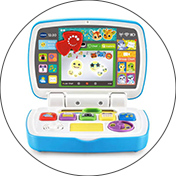
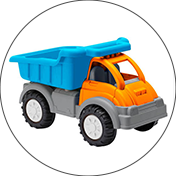
Plastic Toys
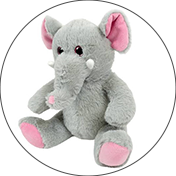
Plush & Textile Toys
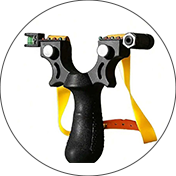
Projectile & Sports Toys
Ride-On & Activity Toys
Wooden Toys
6. Our Toys Quality Control Services
Product Inspection
We inspect toys on-site to verify safety, function, labeling, and workmanship against your exact specifications.
Supplier Audits
We audit toy manufacturers before your order to confirm their production capacity, quality systems, and compliance readiness.
Laboratory Testing
We test toys in accredited labs for chemical safety (e.g., lead, phthalates), mechanical hazards, flammability, and regional standards (ASTM F963, EN71, ISO 8124).
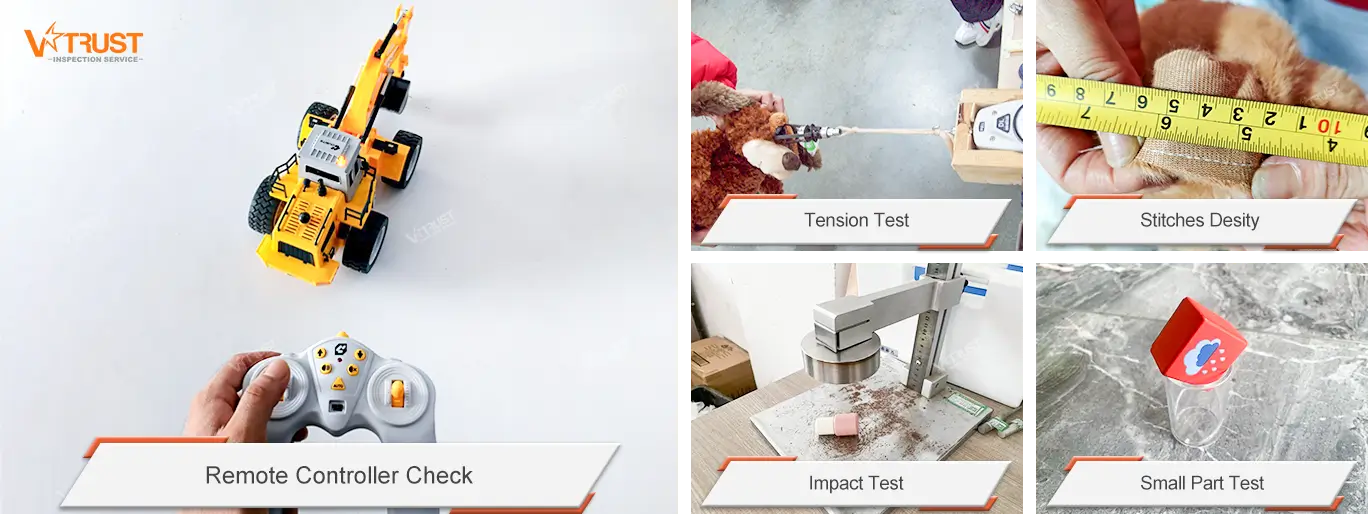
Impact Test (for Toys that Cover the Face)
Tension Test for Attach Part
7. How V-Trust Helps You Choose a Reliable Toy Supplier
V-Trust dispatches qualified auditors to perform tailored audits, ensuring your supplier meets your specific needs. Conducted before placing deposits, our audits help mitigate risks.
Factory Audit
Ideal for verifying legitimacy and basic capabilities:
- Company registration and licenses
- Production equipment overview
- Export experience and certifications
In-Depth Factory Audit
Comprehensive supplier evaluation:
- Production capability
- Quality management systems
- Compliance with toy safety standards
- Worker training and hygiene
8. How V-Trust Helps You Control the Quality of Toy Products
V-Trust ensures consistent product quality and compliance throughout the production process with a full range of services, including Sample Checks, Production Monitoring, During Production Inspection, Pre-Shipment Inspection, and Container Loading Supervision.
Sample Check
Our engineers evaluate product samples for quality, safety, functionality, and specifications in V-Trust's lab, helping you compare different suppliers and make informed decisions.
Production Monitoring
We provide continuous on-site monitoring of production, offering early warnings and guidance to reduce defects and improve factory processes.
During Production Inspection
Conducted when at least 10% of production is completed; this inspection identifies quality issues early and reduces delays or costly rework.
Pre-Shipment Inspection
At the end of production, we conduct a final check to verify:
- Product quality and compliance
- Functionality, safety, and performance
- Product specifications
- Secure and regulatory-compliant packaging
- Accurate quantities
- Marking & labeling
Container Loading Supervision
We verify that the correct toy SKUs and quantities are shipped in clean containers, properly stacked and sealed to avoid shipping damage and delays.
9. Toys Industry Clusters
China is a global hub for the toys and games industry, with several regional clusters specializing in manufacturing, design, and innovation. These clusters focus on different aspects of the industry, leveraging local expertise, supply chains, and infrastructure. Here are the major industry clusters:
- Plastic Toys: Shantou, Dongguan, Yiwu
- Plush Toys: Yangzhou, Qingdao, Nantong
- Electronic Toys: Shantou, Shenzhen, Dongguan
- Educational Toys: Ningbo, Wenzhou, Dongguan
- Wooden Toys: Ningbo, Taizhou, Yongjia
- Game Toys: Dongguan, Wenzhou, Shenzhen
- Role-Play Toys: Shantou, Ningbo, Dongguan
- Physical Activity Toys: Wenzhou, Qingdao, Tianjin
- Building Toys: Shantou, Ningbo, Qingdao, Changzhou
- Outdoor and Sports Toys: Wenzhou, Qingdao, Shantou
With our extensive experience and expertise, V-Trust continues to provide comprehensive inspection services across these key cities and beyond, enabling businesses to maintain the highest level of quality and reliability in their toy products.
10. The Most Related Sourcing Fairs in Asia
Hong Kong Toys & Games Fair
Hong Kong Convention and Exhibition Centre, Hong KongAsia's largest toy industry event, showcasing a wide variety of products from traditional Toys to high-tech games, educational Toys, and licensed merchandise.
https://www.hktdc.com/event/hktoyfair/en
Canton Fair (Phase 3)
Canton Fair Complex, Guangzhou, ChinaThis phase focuses on general consumer goods, including gifts, Toys, and festive products.
https://www.cantonfair.org.cn/en-US/
China Toy Expo (CTE)
Shanghai New International Expo Centre, Shanghai, ChinaAsia's largest and most influential international toy fair, covering a comprehensive range of toy categories, raw materials, and technological services.
https://www.china-toy-expo.com/en/
Why Choose V-Trust for Toy Quality Control?
Asia's leading product inspection company with full-time, professionally trained inspectors and comprehensive accreditation for inspection, audit, and lab testing services.
Toy Product Quality Control: Frequently Asked Questions (FAQ)
How many days in advance should I book the inspection?
We recommend booking at least three days in advance, although in some manufacturing areas with a large team of inspectors, next-day inspections may be possible.
Do I need to send you an approved sample?
Approved samples are highly recommended for the inspection process, as they help our engineers understand the product specifications and focus on critical areas during the inspection.
How long does it take to get my report?
The official inspection report will be reviewed and signed by a technical manager and made available within 24 hours after the inspection. A draft report is also available on the same day after the inspection.
What if I have questions after receiving the report?
Our services don’t end after the report is issued. Our team is available to clarify any aspects of the inspection report as needed.
Request Your Inspection Today
Ready to ensure the quality of your products? Contact our team to discuss your specific requirements.