


10/19/2020
3 Type of Inspection Quality Defects: How to Identify?
Learn about the 3 types of quality defects in manufacturing and how to identify them. To ensure product quality, product inspection is recommended.

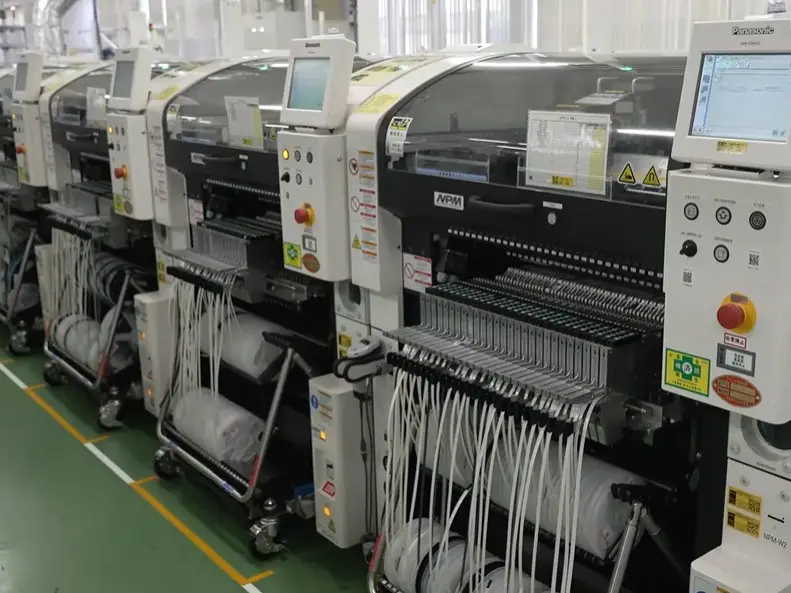
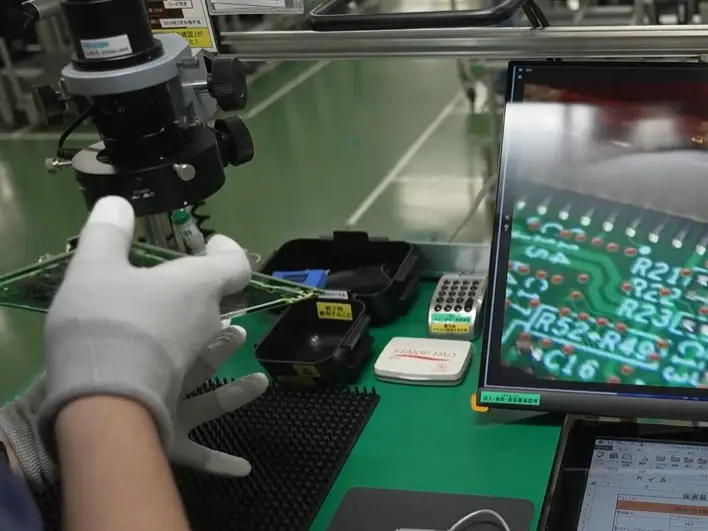
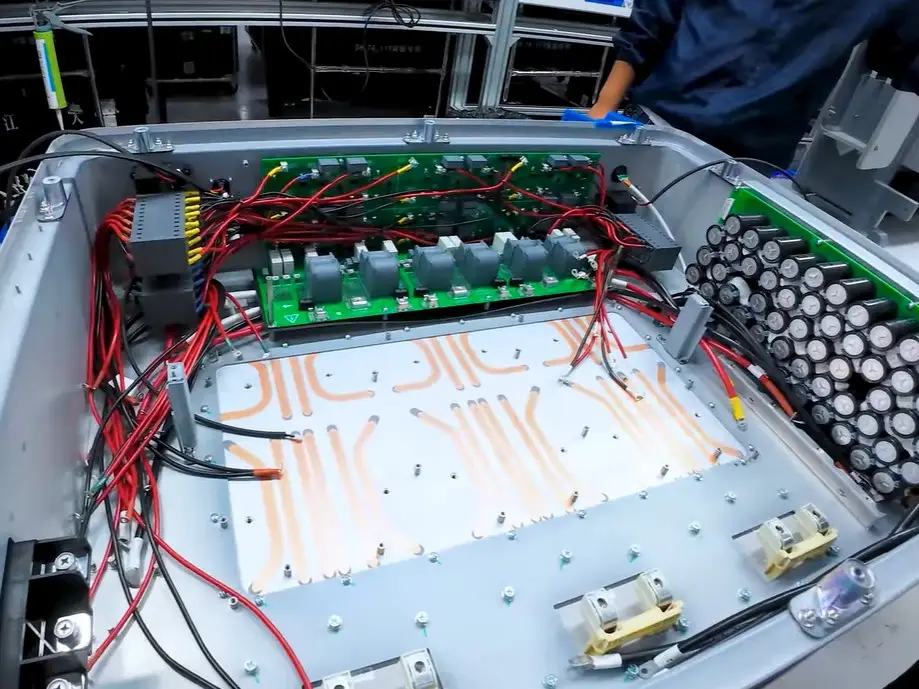
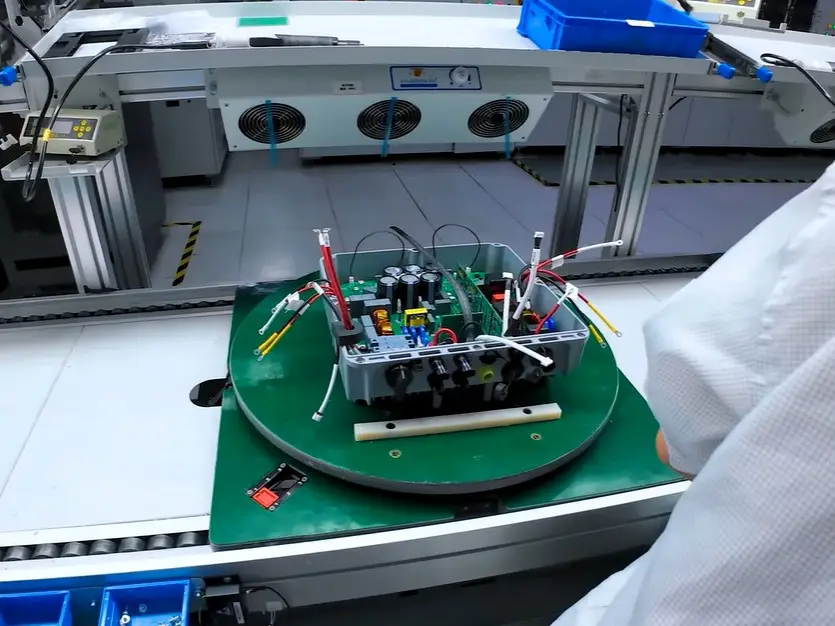
Actual manufacturing routes vary between general-purpose, PV, hybrid, off-grid, and energy-storage inverters, as well as by power rating and factory integration. The following nine-stage framework reflects the main control points commonly used in inverter production; the supplier's approved process flow and control plan remain the project-specific reference.
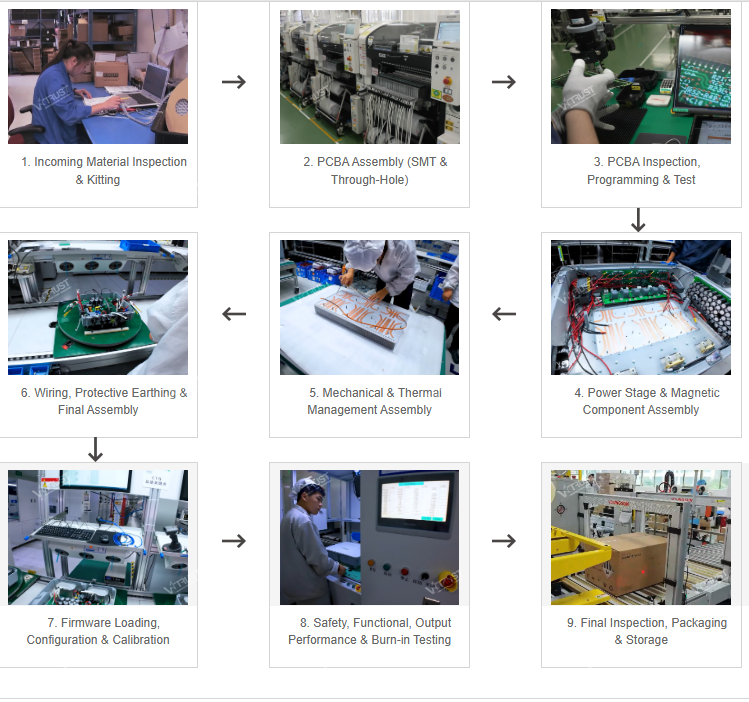
Click any process card to view its Key Processes, Main Equipment, Common Issues, and image/video requirements.
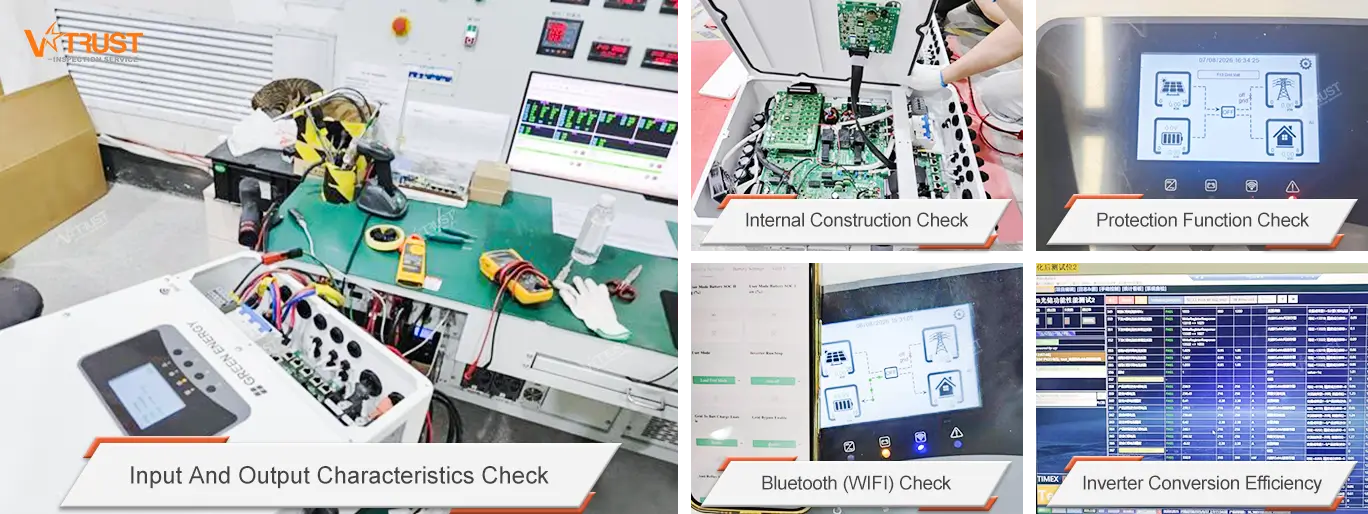
Our on-site inspections focus on issues most likely to cause safety risks, unstable output, protection or communication failures, and shipment inconsistencies.
These items are typically handled through laboratory testing or compliance projects, not routine on-site inspection.
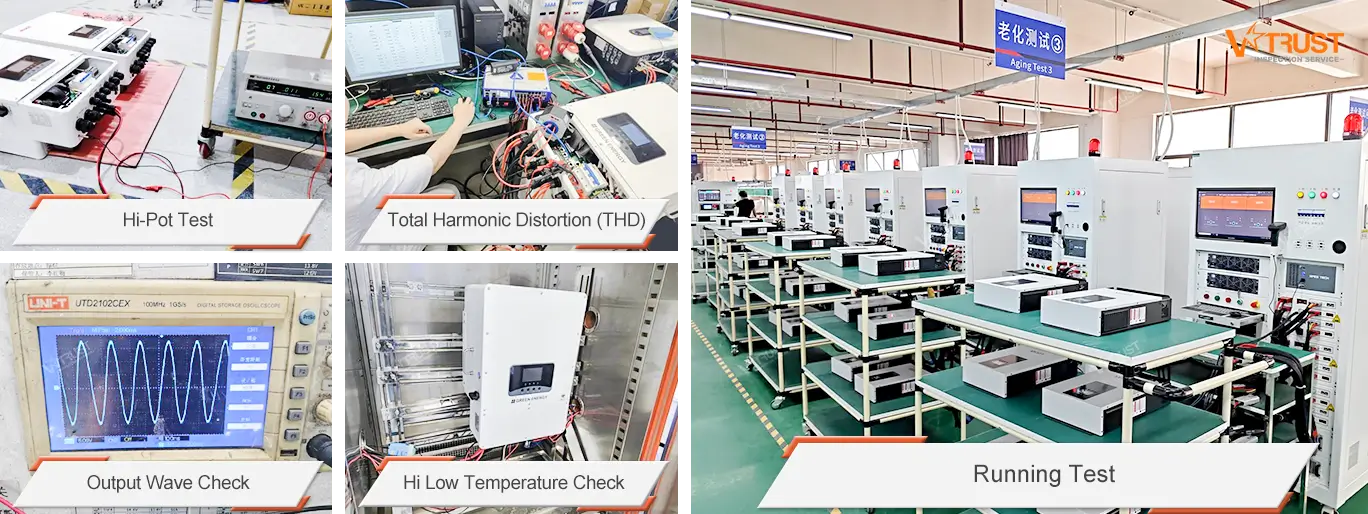
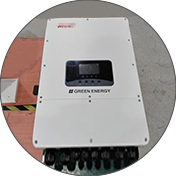
Verify inverter workmanship, internal assembly, specified electrical safety checks, DC input, AC output, protection functions, accessories, packaging, and labeling on-site.
Evaluate the manufacturer’s capability in PCBA assembly, power-stage assembly, firmware control, production testing, burn-in, and traceability.
Support applicable safety, output performance, grid-interface, efficiency, EMC, enclosure-protection, and environmental testing for the target market.
Adapt inspection points to general-purpose, PV, hybrid, off-grid, or PCS architecture, ratings, operating modes, destination market, and known quality risks.
We dispatch experienced auditors to assess supplier capabilities before you place deposits, mitigating potential risks.
Quick verification of supplier legitimacy through:
A comprehensive evaluation covering:
Before mass production, our engineers verify the approved inverter sample for construction, DC input, AC output, rated and surge power, waveform, operating modes, interface configuration, appearance, and key electrical functions.
During production, we focus on high-risk processes including PCBA workmanship, busbar and terminal assembly, insulation installation, heat-sink contact, thermal-material application, firmware loading, and production-test records.
When around 10–20% of the order is completed, sampled units are checked for construction consistency, start-up, AC output, operating modes, alarms, communication, and agreed protection behaviour using the approved factory test setup.
Before shipment, we verify finished-product quantity, workmanship, input/output ratings, agreed functional and safety checks, waveform or grid profile where applicable, sockets, accessories, packaging, and serial-number consistency.
We confirm correct quantities, packaging integrity, carton condition, moisture or impact protection, loading method and container/seal information to reduce transit and shipment-mix risks.
Phase 1 covers electronics, electrical equipment, industrial manufacturing, and new-energy products, making it relevant for broader inverter and power-electronics sourcing.
https://www.cantonfair.org.cn/en-US
A focused solar, energy-storage, smart-energy and grid-infrastructure event for the Indonesian and wider Southeast Asian market.
https://www.terrapinn.com/exhibition/energy-series-asia/index.stm
A regional platform covering solar generation, energy storage, grid infrastructure, and the technologies supporting Thailand’s energy transition.
https://www.terrapinn.com/exhibition/solar-storage-live-thailand/index.stm
Asia's leading product inspection company with full-time, professionally trained inspectors and comprehensive accreditation for inspection, audit, and lab testing services.
Why inspect inverters before shipment?
Inverters combine high-voltage power conversion, control electronics, firmware, thermal management, and multiple electrical interfaces. Production defects can cause unstable output, protection failure, overheating, communication problems, installation delays, and costly field returns. Inspection helps identify shipment-level risks before goods leave the factory.
Which inverter types can V-Trust inspect?
The core scope includes general-purpose DC–AC power inverters for portable, vehicle, RV, and applicable marine use; grid-tied solar inverters; hybrid solar and battery inverters; off-grid solar inverters and inverter-chargers; and energy-storage inverters or PCS. UPS, motor drives, and EV traction inverters should remain under their own categories and standards.
Do you inspect portable, vehicle, RV and marine power inverters?
Yes. V-Trust can inspect applicable general-purpose DC–AC power inverters. The checklist is adapted to the declared DC input, AC output, waveform, rated and surge power, sockets, ATS or RCD functions, installation method, protection claims, and destination market.
Can a pre-shipment inspection confirm IEC or grid-code certification?
No. On-site inspection verifies production quality and agreed checks using available calibrated equipment. Formal compliance with IEC standards or destination-market grid codes requires the applicable technical file and appropriate type testing, laboratory evaluation, or certification process.
Can output power, waveform, efficiency and MPPT performance be checked at the factory?
Only when suitable calibrated DC sources, power analyzers, PV/grid/battery simulators, and loads are available, and the agreed procedure defines operating points and acceptance criteria. Otherwise, inspectors should verify production records and arrange separate laboratory testing rather than claim complete performance verification.
What information is needed for an inverter inspection?
Please provide the purchase order, approved datasheet, model list, manual, critical-component or BOM requirements, approved sample, packing specification, factory test procedure, destination market or grid profile, and any known quality concerns.
Do all inverter types follow the same standards?
No. A vehicle power inverter, photovoltaic inverter, and energy-storage PCS should not be assessed using the same standard set. The correct scope depends on power source, grid connection, bidirectional capability, installation environment, AC/DC ratings, operating modes, and destination market. Applicable standards must be confirmed before testing.
Ready to ensure the quality of your inverter products? Contact our team to discuss your product type, rating, target market, and specific quality concerns.