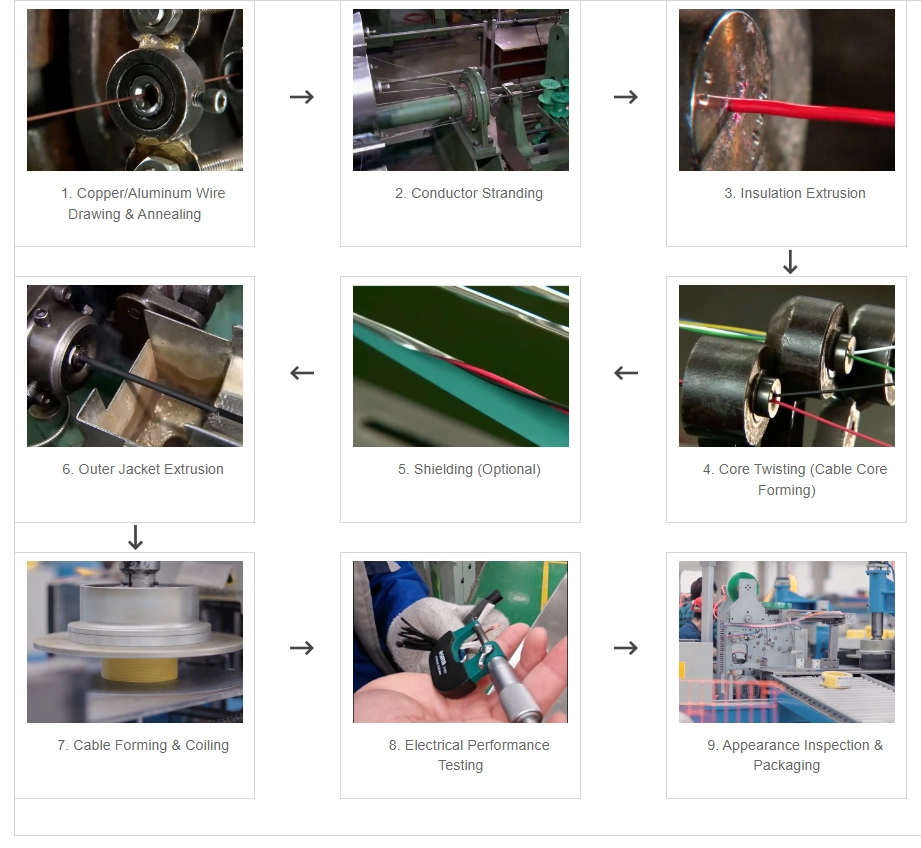
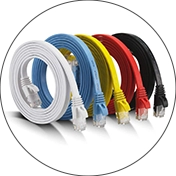
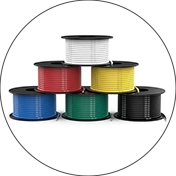
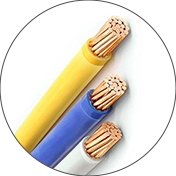
1. Production Process and Common Quality Issues for Electrical Cables
Production Process and Common Quality Issues for Electrical Cables
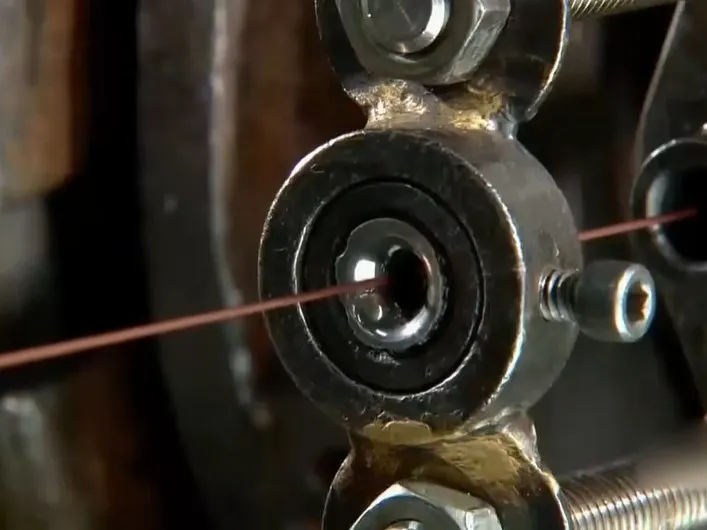
Process 1. Copper/Aluminum Wire Drawing & Annealing
Key Processes:
Thick copper or aluminum rods are drawn through multiple dies to form fine conductors and annealed to improve conductivity and flexibility.
Main Equipment:
Wire drawing machine. Annealing furnace. Take-up machine.
Common Issues:
Wire breakage, uneven/out-of-tolerance wire diameter, surface scratches/oxidation, incomplete/over-annealing, and wire sticking.
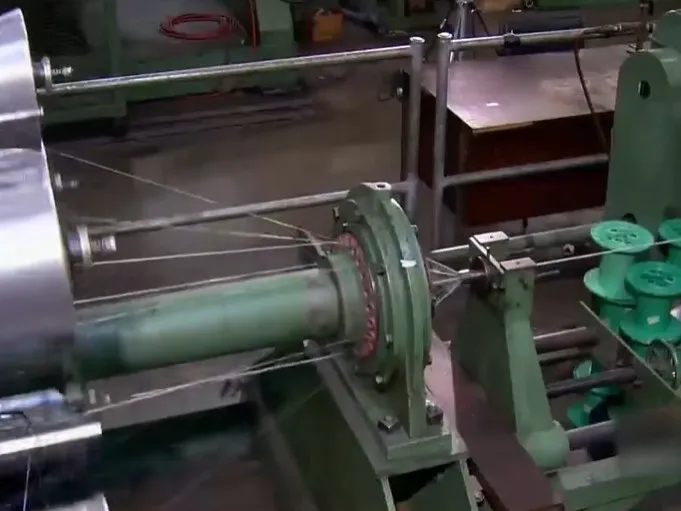
Process 2. Conductor Stranding
Key Processes:
Stranding multiple fine wires into round or compact conductors to enhance conductivity and tensile strength.
Main Equipment:
Stranding machine. Bundling machine.
Common Issues:
Loose/uneven stranding, single wire breakage, conductor surface damage, conductor diameter exceedance, and birdcaging.
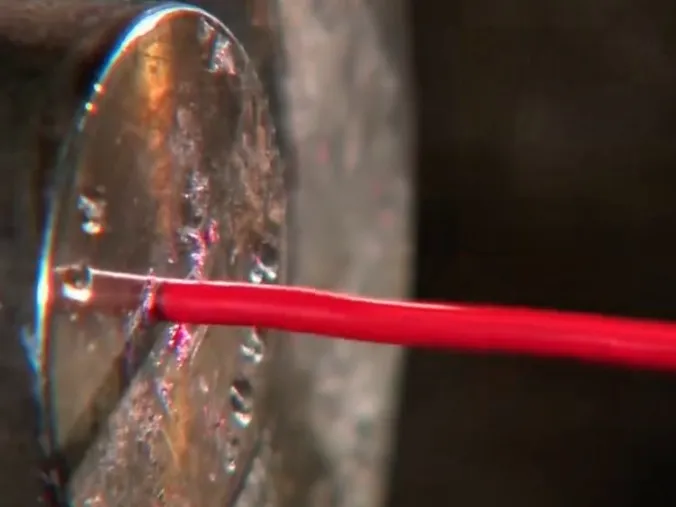
Process 3. Insulation Extrusion
Key Processes:
Extruding insulation materials (PVC/XLPE/PE) onto conductors followed by cooling and shaping.
Main Equipment:
Extruder. Cooling trough. Take-up tractor.
Common Issues:
Insulation eccentricity, uneven/out-of-tolerance insulation thickness, insulation bubbles/pinholes, surface scratches/unevenness, poor adhesion between insulation and conductor, material degradation/scorching.
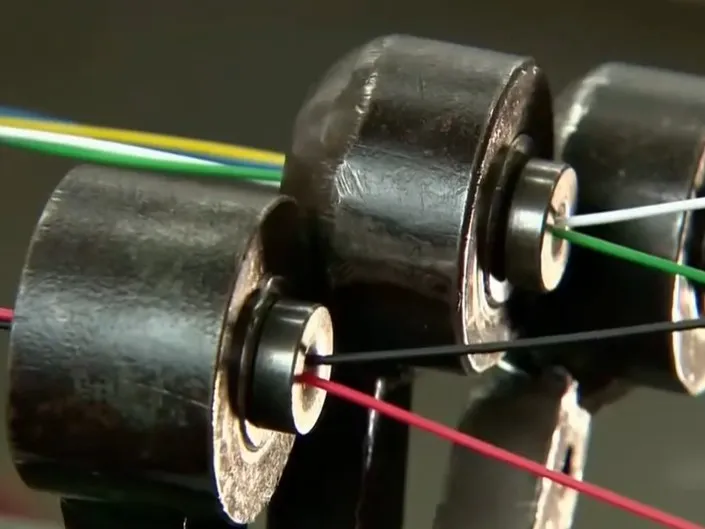
Process 4. Core Twisting (Cable Core Forming)
Key Processes:
Twisting multiple insulated conductors into cable cores (e.g., 2-core, 3-core, 4-core).
Main Equipment:
Cabling machine. Reeling machine.
Common Issues:
Uneven lay length, core deformation/damage, irregular core arrangement, incomplete filling.
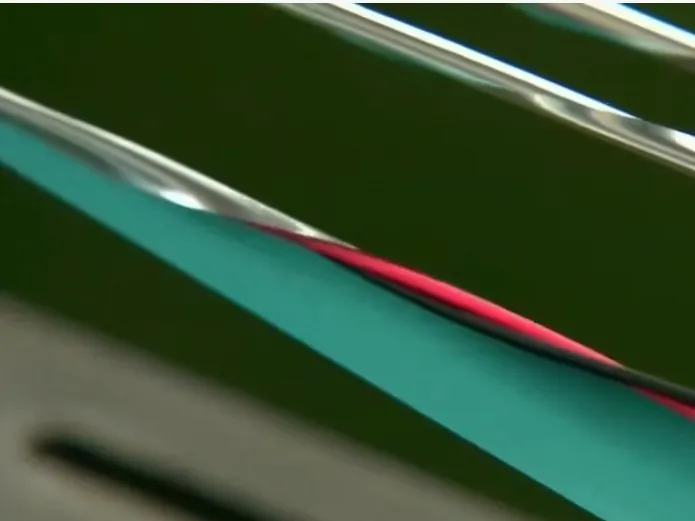
Process 5. Shielding (Optional)
Key Processes:
Applying aluminum foil, copper braid, or Mylar tape for electromagnetic shielding when required.
Main Equipment:
Braiding machine. Wrapping machine.
Common Issues:
Incomplete shielding coverage, shielding wrinkles/damage, loose braid/skipped strands, damage to shielding and insulation.
Process 6. Outer Jacket Extrusion
Key Processes:
Extruding outer jacket materials (PVC/PE/Rubber) onto the cable core for mechanical and waterproof protection.
Main Equipment:
Jacket extruder. Cooling tank. Take-up machine.
Common Issues:
Jacket eccentricity, uneven/out-of-tolerance jacket thickness, jacket surface defects, poor adhesion between jacket and core, material degradation/scorching.
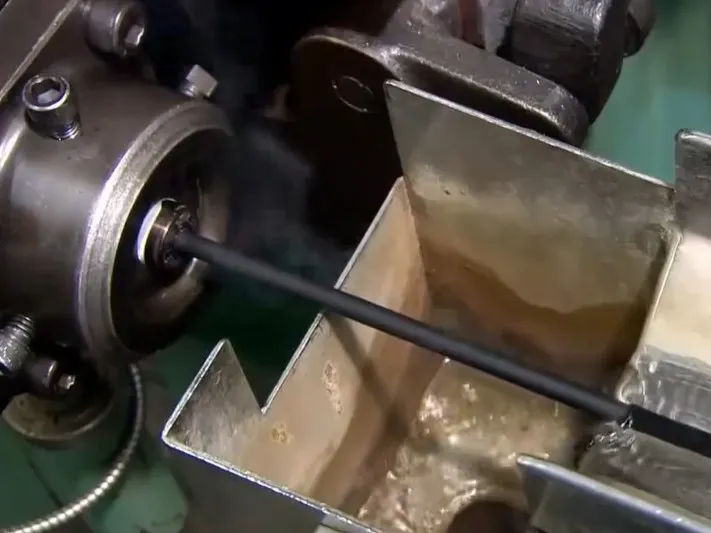
Process 7. Cable Forming & Coiling
Key Processes:
Forming, coiling, or arranging the cable according to product specifications.
Main Equipment:
Coiling machine. Arranging machine.
Common Issues:
Cable deformation/twisting, uneven coiling, inaccurate length, outer jacket damage.
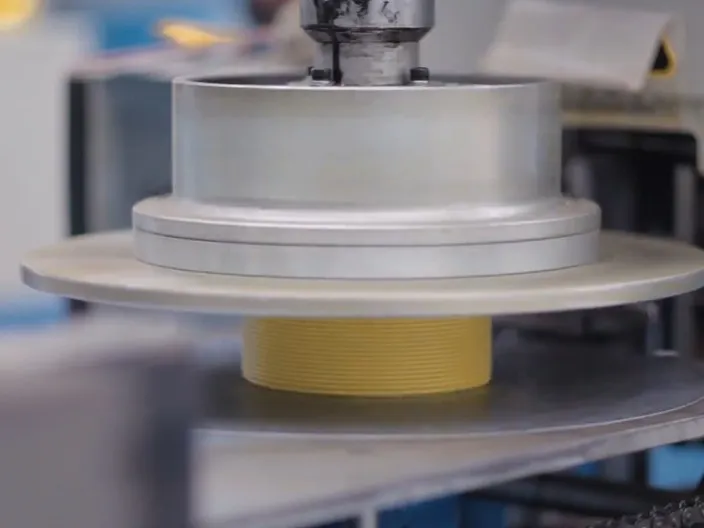
Process 8. Electrical Performance Testing
Key Processes:
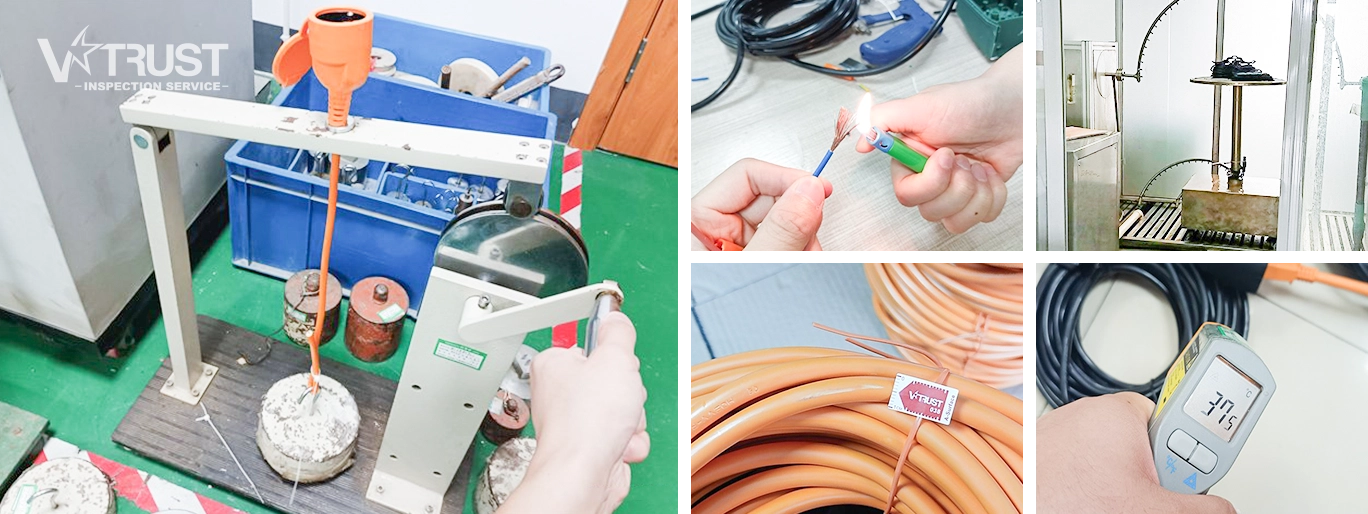
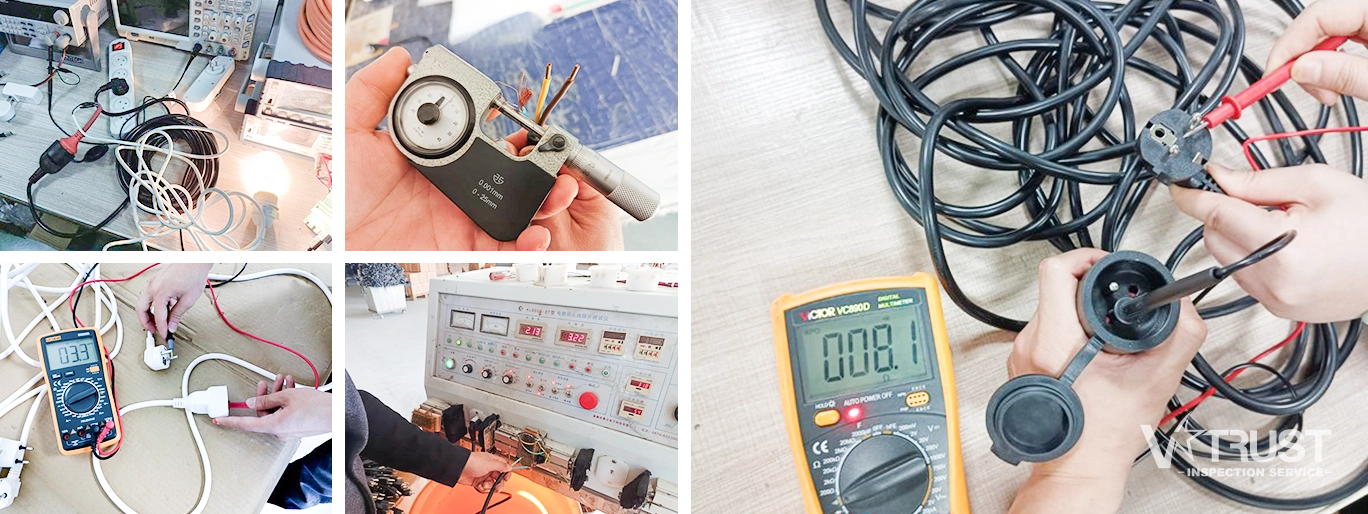
Testing continuity, resistance, withstand voltage, insulation, and spark tests to ensure compliance.
Main Equipment:
Spark tester. Insulation tester. Withstand voltage tester. Resistance meter.
Common Issues:
Inaccurate test results, missed defects, false positives/negatives, damage during testing.
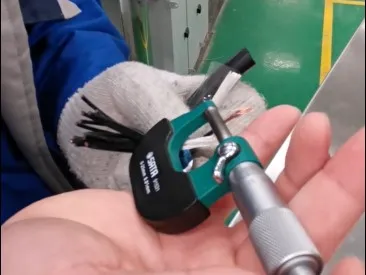
Process 9. Appearance Inspection & Packaging
Key Processes:
Inspecting appearance, printing, roundness, then labeling, wrapping, packing, and warehousing.
Main Equipment:
Inspection fixtures. Wrapping machine. Packing machine.
Common Issues:
Appearance defects, dimensional mismatch, incorrect/missing labels, packaging damage, and incomplete cleaning.
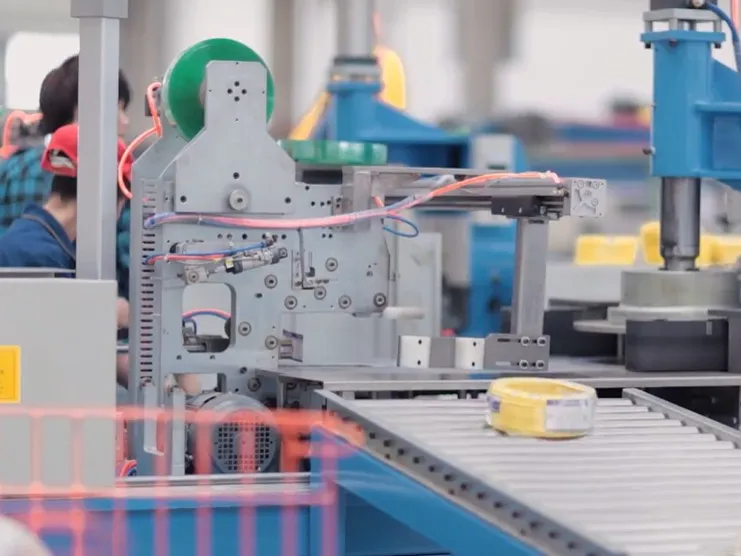
Click to review the detailed production process and common quality issues for electrical cables.
2. Ensuring Electrical Cable Safety & Compliance with Laboratory Testing
We arrange laboratory testing to confirm adherence to international safety and performance standards:
- RoHS (Restriction of Hazardous Substances)
- REACH (Registration, Evaluation, Authorisation and Restriction of Chemicals)
- CE Marking (European Conformity)
- UL (Underwriters Laboratories Safety Certification)
- IEC 60227 (Polyvinyl chloride insulated cables of rated voltages up to and including 450/750 V)
- IEC 60502 (Power cables with extruded insulation and their accessories for rated voltages from 1 kV (Um = 1,2 kV) up to 30 kV (Um = 36 kV))
- ASTM B3 (Standard Specification for Soft or Annealed Copper Wire)
- EN 50575 (Power, control and communication cables - Cables for general applications in construction works subject to reaction to fire requirements)
3. Common Defects in Electrical Cable Inspections
Insulation and Sheath Defects
- Cracks or cuts in insulation
- Inconsistent insulation thickness
- Bubbles or voids in insulation
- Discoloration or material degradation of sheath
- Poor adhesion between layers
Conductor Defects
- Broken or frayed strands
- Corrosion or oxidation on conductors
- Incorrect conductor gauge/size
- Non-uniform conductor diameter
- Poor conductor flexibility
Electrical Performance Issues
- High electrical resistance
- Low dielectric strength
- Inconsistent impedance
- Poor signal integrity (for data cables)
- Short circuits or open circuits
Marking and Labeling Errors
- Missing or incorrect voltage/current ratings
- Illegible or faded markings
- Incorrect length measurements
- Missing or wrong certification marks (e.g., UL, CE)
- Incorrect batch or date codes
Mechanical and Structural Flaws
- Kinks or severe bends
- Uneven coiling or spooling
- Damage from improper handling
- Loose or detached connectors (if pre-terminated)
- Inadequate strain relief
4. Which Electrical Cable Products Do We Have the Most Experience With?
Power Cables
- Low Voltage Power Cables
- Medium Voltage Power Cables
- High Voltage Power Cables
- Flexible Power Cords
Data & Communication Cables
- Ethernet Cables (Cat5e, Cat6, Cat7)
- USB Cables
- HDMI Cables
- Fiber Optic Cables
Specialty Cables
- Automotive Cables
- Solar (PV) Cables
- Fire Resistant Cables
- Marine Cables
Building & Industrial Cables
- THHN/THWN Cables
- Armored Cables
- Control Cables
- Instrumentation Cables
5. Our Electrical Cable Quality Control Services
Product Inspection
We verify quality, functionality, and craftsmanship of electrical cables on-site.
Supplier Audits
We assess manufacturers’ capabilities and quality systems before production.
Laboratory Testing
We confirm electrical cables meet international safety and performance standards.
Function Check
Hi-pot Test
6. How V-Trust Helps You Find the Right Electrical Cable Supplier
We conduct supplier audits to verify production capabilities and compliance before order placement.
Factory Audit
Quick verification of supplier legitimacy through:
- Factory existence and document verification
- Basic production capacity review
- Contact person verification
In-Depth Factory Audit
A comprehensive evaluation covering:
- Production capacity & facility assessment
- Quality control system evaluation
- Social compliance verification
7. How V-Trust Helps You Control the Quality of Electrical Cables
V-Trust offers comprehensive quality control solutions that cover every stage of your electrical cable production, including Sample Checks, Production Monitoring, During Production Inspection, Pre-Shipment Inspection, and Container Loading Supervision, ensuring consistent quality and compliance.
Sample Check
Our engineers meticulously evaluate electrical cable samples for conductor material purity, insulation integrity, and dimensional accuracy. We also perform basic electrical continuity and resistance tests to ensure the sample meets specified performance criteria before mass production.
Production Monitoring
We provide on-site monitoring during electrical cable production to track critical processes such as wire drawing, insulation extrusion, and jacketing. This helps identify early issues like inconsistent material feeding, temperature variations, or improper curing that could affect cable performance and durability.
During Production Inspection
Conducted when at least 10% of the electrical cable order is completed, this inspection focuses on detecting mid-production issues such as insulation defects, conductor damage, or incorrect color coding. This allows for timely corrective actions, minimizing waste and preventing further quality problems.
Pre-Shipment Inspection
A thorough final inspection before shipping to confirm overall product quality and compliance. We verify conductor resistance, insulation resistance, dielectric strength, and dimensional conformity. We also check for correct labeling, packaging integrity, and quantity accuracy to ensure cables are ready for shipment.
Container Loading Supervision
We supervise the loading of Electrical Cables into containers, ensuring proper handling, stacking, and securing to prevent physical damage during transit. We also verify that the correct quantity and types of cables are loaded, and that packaging is intact, protecting your investment until delivery.
8. The Most Related Sourcing Fairs in Asia
wire China
Shanghai New International Expo Centre (SNIEC), Shanghai, ChinaRecognized as Asia's largest trade fair for the wire and cable industry, wire China showcases the latest advancements in wire and cable manufacturing and processing machinery, auxiliary cable processing, raw materials, finished wire products, electrical cables, measuring and control technology, and test engineering.
https://www.wirechina.net/en/
wire India
Bombay Exhibition Centre (BCEC), Mumbai, IndiaIt is a premier platform dedicated to the Indian wire and cable industry, featuring cutting-edge technologies, state-of-the-art equipment, and innovative solutions for wire and cable manufacturing, processing, and related allied industries.
https://www.wire-india.com/
wire Southeast Asia
BITEC - Bangkok International Trade & Exhibition Centre, Bangkok, ThailandThis event provides a comprehensive showcase of wire and cable processing equipment and machinery, products, and solutions, including those for fiber optics and specialized industrial applications.
https://www.wire-southeastasia.com/
Why Choose V-Trust for Electrical Cables Quality Control?
Asia's leading product inspection company with full-time, professionally trained inspectors and comprehensive accreditation for inspection, audit, and lab testing services.
Electrical Cables Quality Control: Frequently Asked Questions (FAQ)
Why do I need product inspections for electrical cables?
If you are worried about or have experienced problems such as poor quality, incorrect shipments, or wrong packaging for goods imported from Asia, product inspection services is your solution. V-Trust product inspection service can help you have accurate understanding about the quality of the electrical cables without going to the factory by yourself.
Do I need to send you an approved sample of electrical cables?
It would be great if you can send the approved sample to V-Trust before the inspection for reference. Compared with product photos or specification documents, a real product sample allows V-Trust engineers to do a more thorough comparison check.
How many days in advance should I book the inspection?
Though sometimes it's possible to book next-day inspections for many manufacturing clusters where V-Trust has a large team of full-time inspectors, we recommend booking with us at least three days in advance. Early booking is important for appropriate scheduling and good preparation before the inspection.
Who will I be in contact with throughout the whole process?
There will be one dedicated account manager who will be assigned as your main contact point at V-Trust. You will receive prompt responses whenever you have any questions regarding the inspection arrangement.
How long does it take to know the inspection result?
The official report, reviewed and signed by an authorized V-Trust technical manager, will be available within 24 hours after each inspection. Same day report is available if you would like to know about the inspection findings on the same day. V-Trust has the highest same day report rate in the inspection industry.
What if I have questions after I check my V-Trust report?
Please don’t hesitate to contact us whenever you have any questions. V-Trust team is always available even after the inspection is completed.
Request Your Inspection Today
Ready to ensure the quality of your products? Contact our team to discuss your specific requirements.